
A vet’s view: Volunteering with Mission Rabies in Mozambique
Small animal internal medicine specialist Beth Schooley, who works for IDEXX Laboratories, shares what it was like to join a Mission Rabies programme in Mozambique, supporting communities to protect both people and animals from a deadly yet preventable disease:
‘I’ve wanted to volunteer with Mission Rabies for years. I care a lot about the connection between human and animal health, particularly zoonotic disease, and rabies is a textbook case: it moves between animals and people, and it's almost entirely preventable if you can get vaccination rates up in the right places.
Mozambique already meant something to me before this trip. Family friends live and work there in human health, and I'd visited them before. So when a Mission Rabies trip to Mozambique came up, it lined up with several things at once: the veterinary work, the human-animal health angle, and a country I already knew a little.
A day in the field
The days moved fast. Each morning we'd leave the hotel, head to the local government building, meet our teams, sort out supplies, and go over the plan before heading to our assigned areas.
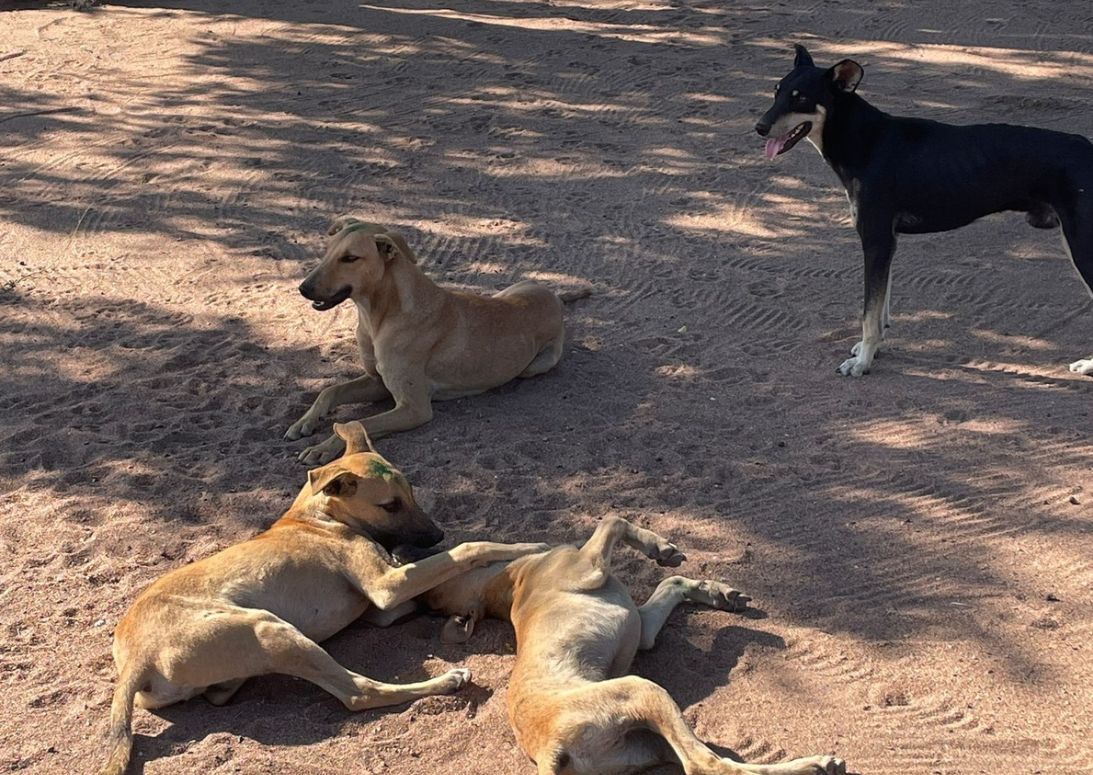
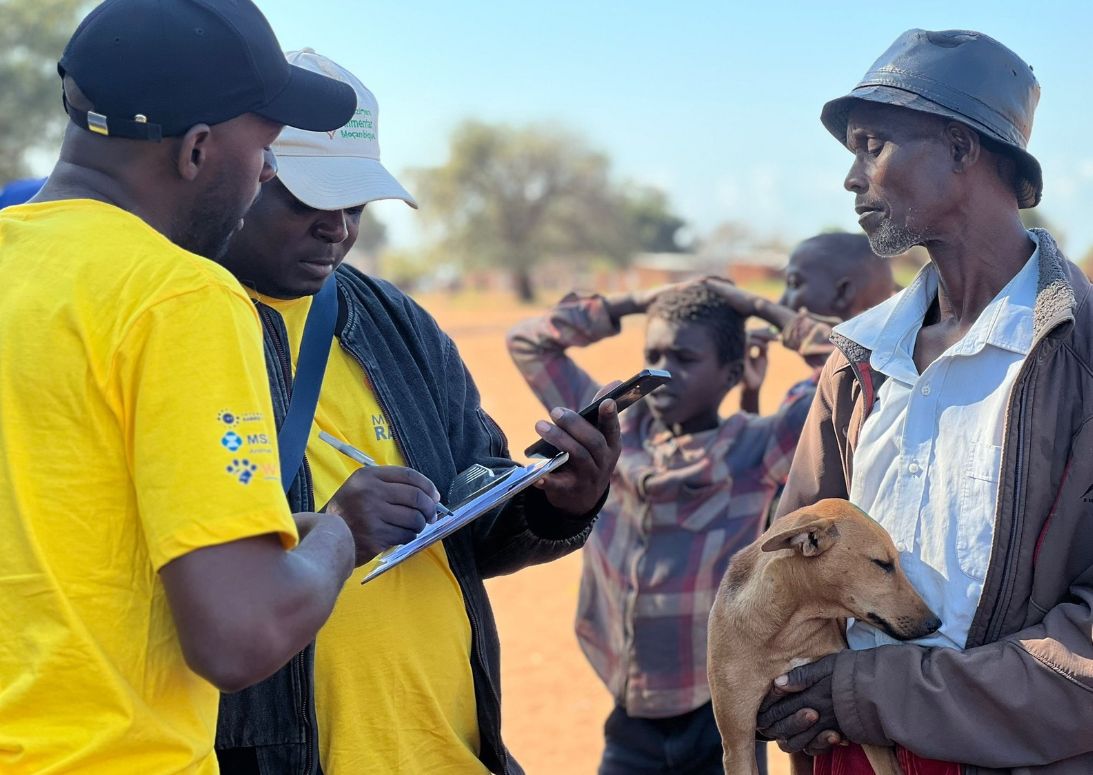
Once there, we'd link up with the local community leader and go door to door, on foot or by vehicle, looking for dogs, families with dogs, and the occasional cat, and talking with owners about getting their animals vaccinated on the spot.
The drives varied a lot. Some days it was five minutes to our area; other days it took a few hours to reach somewhere remote. Regardless of distance, people were generally glad to have us there and willing to bring their animals over.
Beyond the vaccination sites
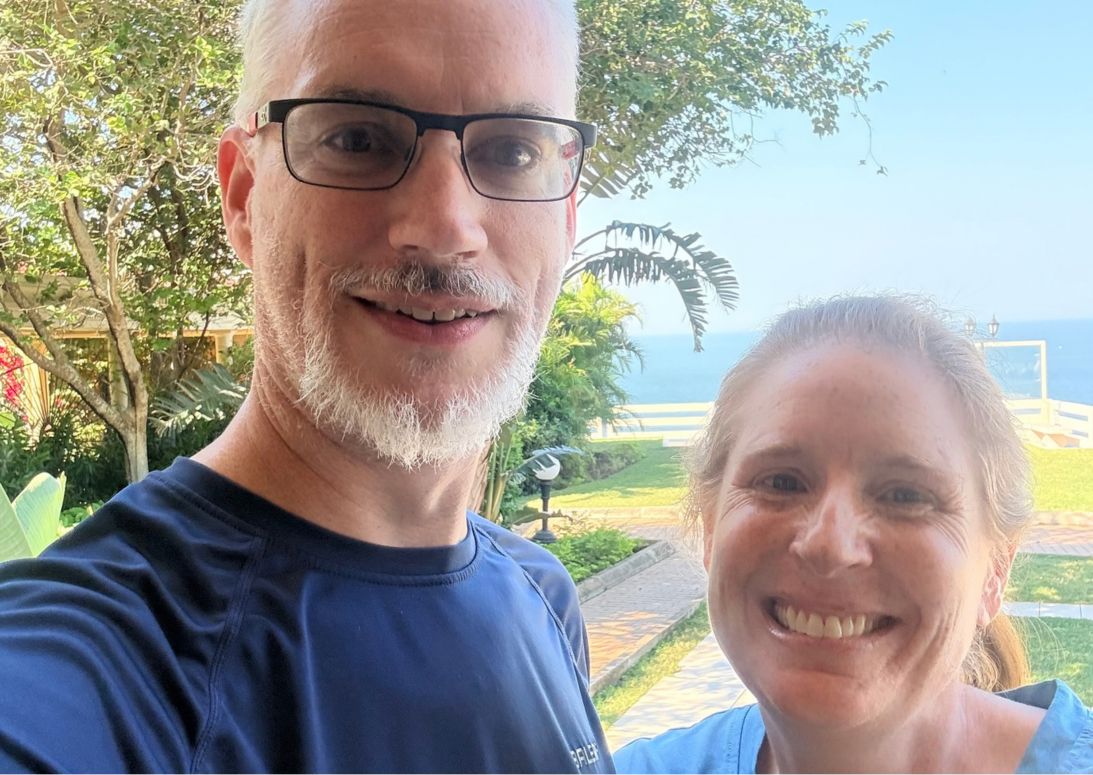
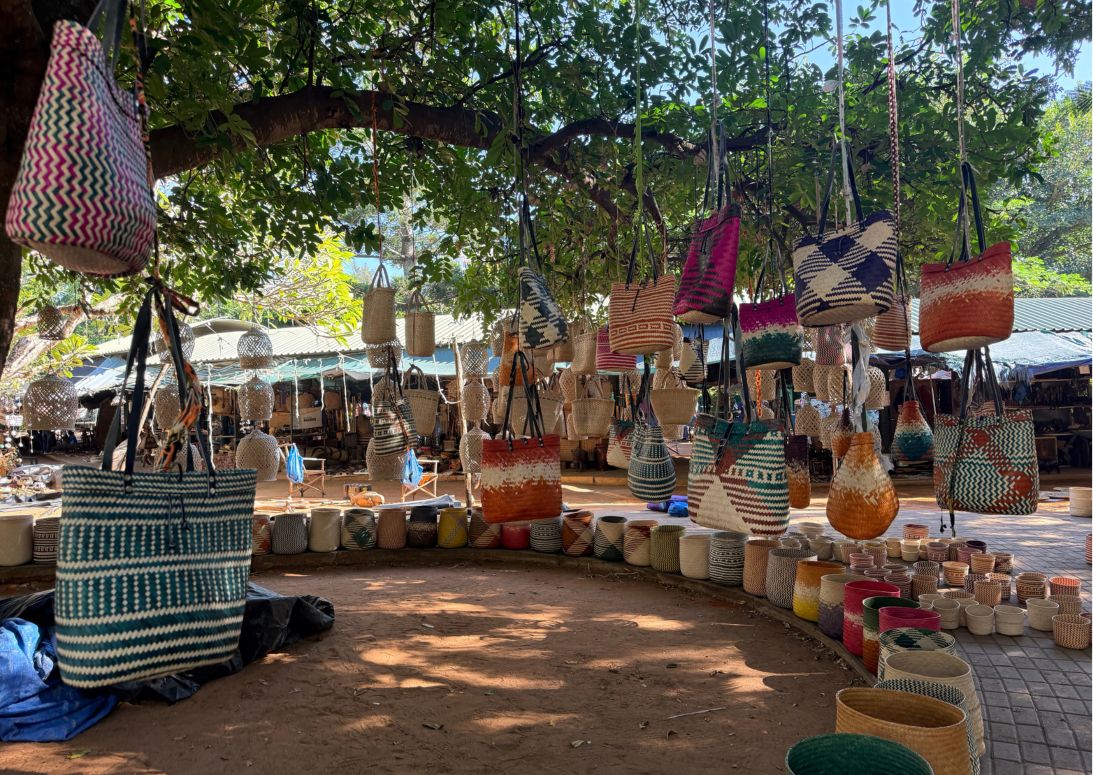
My husband and I stayed a few extra days to see more of the area. We met up with our local friends and had an amazing seafood dinner. I’ve never seen prawns that large in my life! We also visited a crafts fair in Maputo and bought souvenirs and Christmas gifts to bring home for friends and family. Our friends arranged a tour of the veterinary school with a faculty member who collaborates with them in infectious disease research. The vet school was quite different from the ones I’m used to in the USA but I was impressed with the tools they have at their disposal despite their limited resources. We even met the vet school mascots - donkeys and a goat. They were charming, walking free-range all over the campus, helping to weed the gardens and keep the grass under control!
Since we were already in Africa, we figured we'd cross into South Africa for a day and see Kruger National Park - if you're going that far, you might as well see a giraffe. We spent the day driving around with a guide observing the wildlife in their natural habitat.
The other volunteers
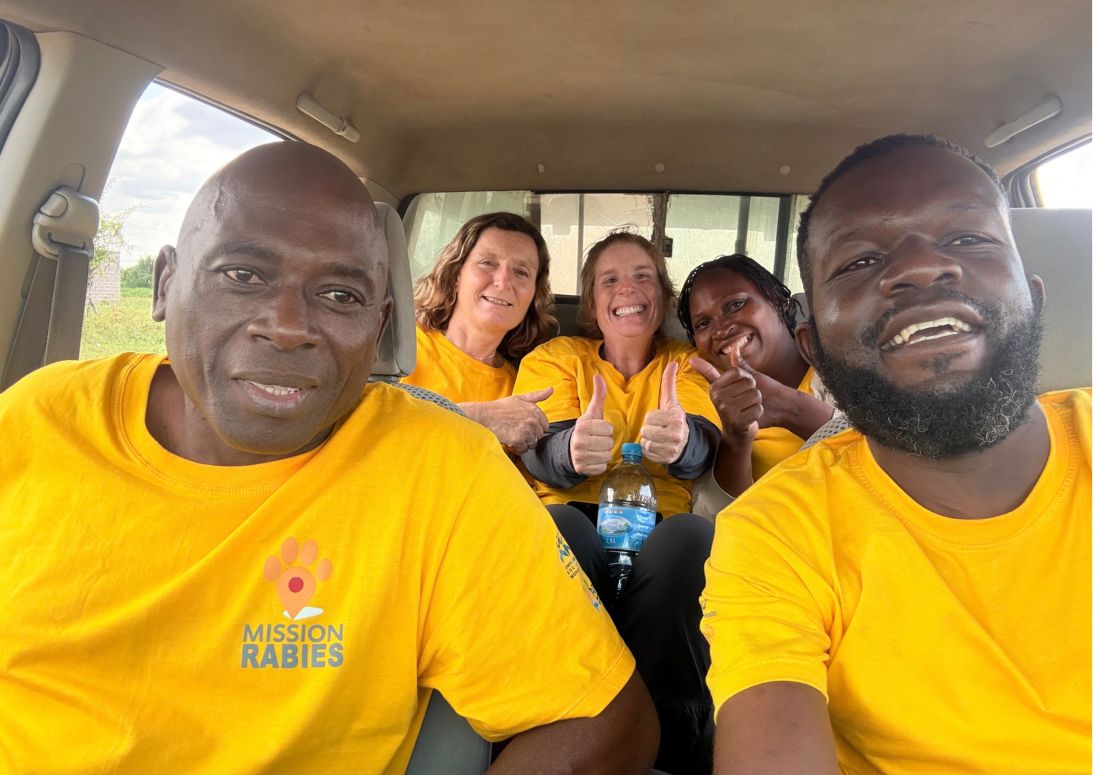
One of the more interesting parts of the trip was the mix of people who showed up, both other volunteers and Mission Rabies staff. We came from different countries, working toward the same goal in Mozambique. Everyone had a different reason for being there, and it was worth hearing them all.
Some of us were first-timers. Others had been on five or six Mission Rabies trips already and treated them as a way to see parts of the world they wouldn't otherwise get to. I'd assumed most volunteers would have a veterinary background; technicians or vets. Instead, the group included a college professor, a nurse, a retired executive coach, and people with a range of other backgrounds. As a vet, it is always fun to interact with each other and people with different backgrounds. Downtime ended up being as much about comparing notes on our own countries and experiences as it was about Mozambique.
The main thing I took away is that it doesn't take much to make a difference, just showing up.
Why it mattered
Volunteering with Mission Rabies pulled together a few things I care about: veterinary medicine, the human-animal health connection, and a country I already had ties to. Watching communities bring their dogs to be vaccinated against a preventable disease was a useful reminder of what the work is actually for.
The main thing I took away is that it doesn't take much to make a difference, just showing up. It took me a long time to commit to a trip like this because life stays busy. If you've been telling yourself you'd like to do it, my advice is straightforward: sign up. It was worth doing, and I'll be doing it again.’
Get involved
If you’ve been thinking about doing a Mission Rabies volunteer project and would like to learn more, you can discover our current opportunities here. There are roles suitable for all different backgrounds and experience levels – anyone with a passion for making a difference can get involved!