5 tips for travelling abroad: rabies edition
Are you travelling abroad soon? We know there's a lot to think about before going away – but make sure rabies is on your list. Over 75% of countries still have rabies present. Safe at home doesn't mean safe abroad. Whether you are going on a beach holiday or a city break, it's worth taking a few minutes to learn more about rabies.
Rabies is one of the deadliest diseases known to humanity. A disease so dangerous that once symptoms appear, it is already too late. But if the risks are widely understood and appropriate dog bite treatment is well known – rabies is 100% preventable.
Continue reading to discover our rabies travel advice, so you're prepared if the unexpected happens.
Remember these key steps for staying safe
Know the risks at your travel destination
Many travellers are unaware that some of their favourite travel destinations still have the risk of rabies. Before you go abroad, use our rabies status map to discover the risk level of the country you are travelling to. If there is a risk of rabies, we recommend receiving the pre-exposure rabies vaccine to protect yourself. It's always best to consult a health professional for further advice on vaccinations. Discover more here.
Be cautious when interacting with animals, especially dogs
Rabies can infect and kill any mammal, and dogs are the number one source of rabies transmission to people worldwide. Dog bites and scratches cause 99% of human rabies deaths. This doesn't mean we should fear dogs. It means we need to understand rabies prevention.
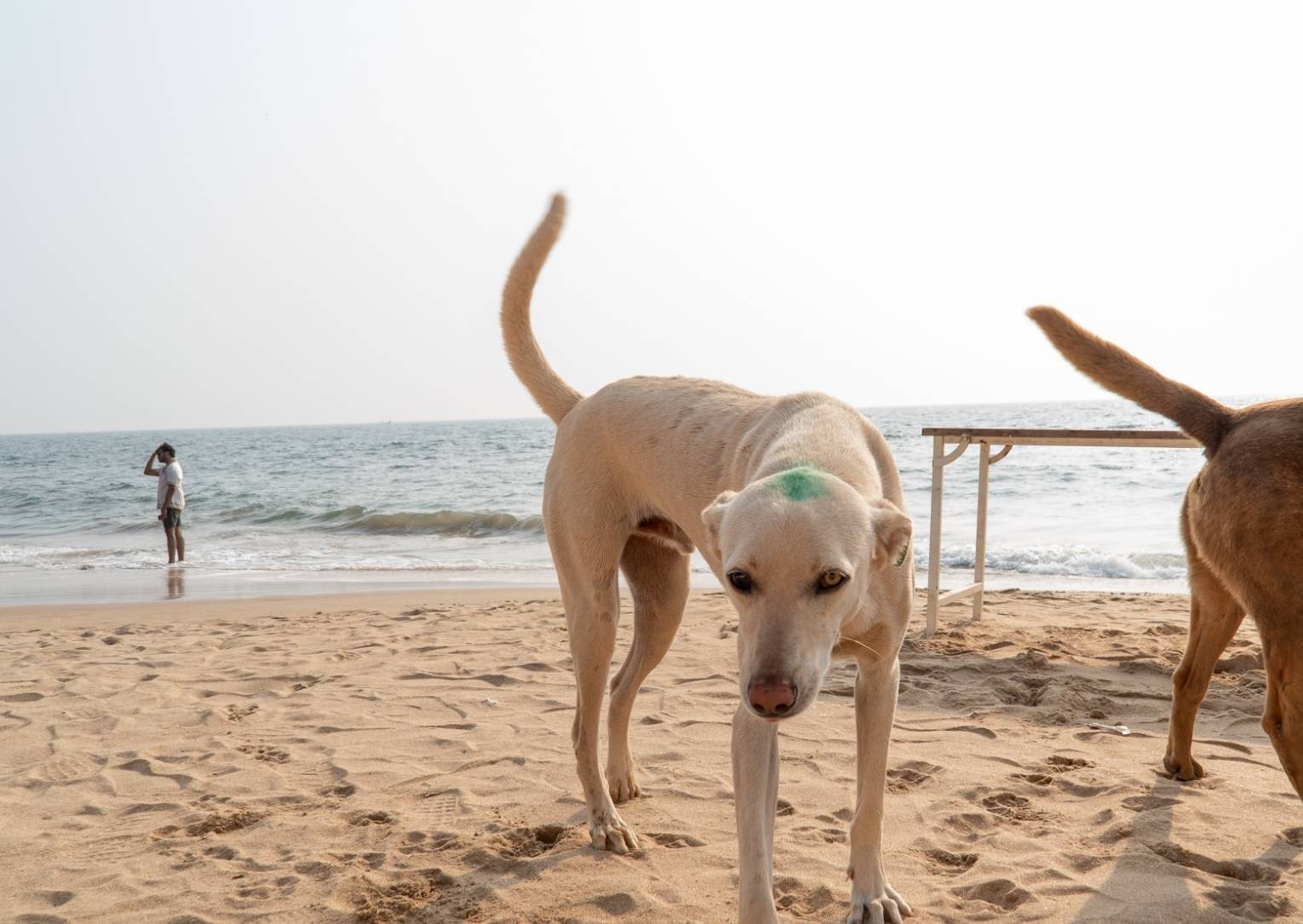
Dogs are incredible animals, we naturally want to pet them, no matter where we are. But, if you are in a country with rabies, be cautious when interacting with dogs. Never disturb a dog who is eating, sleeping or feeding her puppies. If a growling dog comes close to you, stand still, stay quiet, ignore the dog and avoid eye contact.
Any mammal can carry rabies – be cautious when interacting with any animals abroad.
Supervise children closely around animals
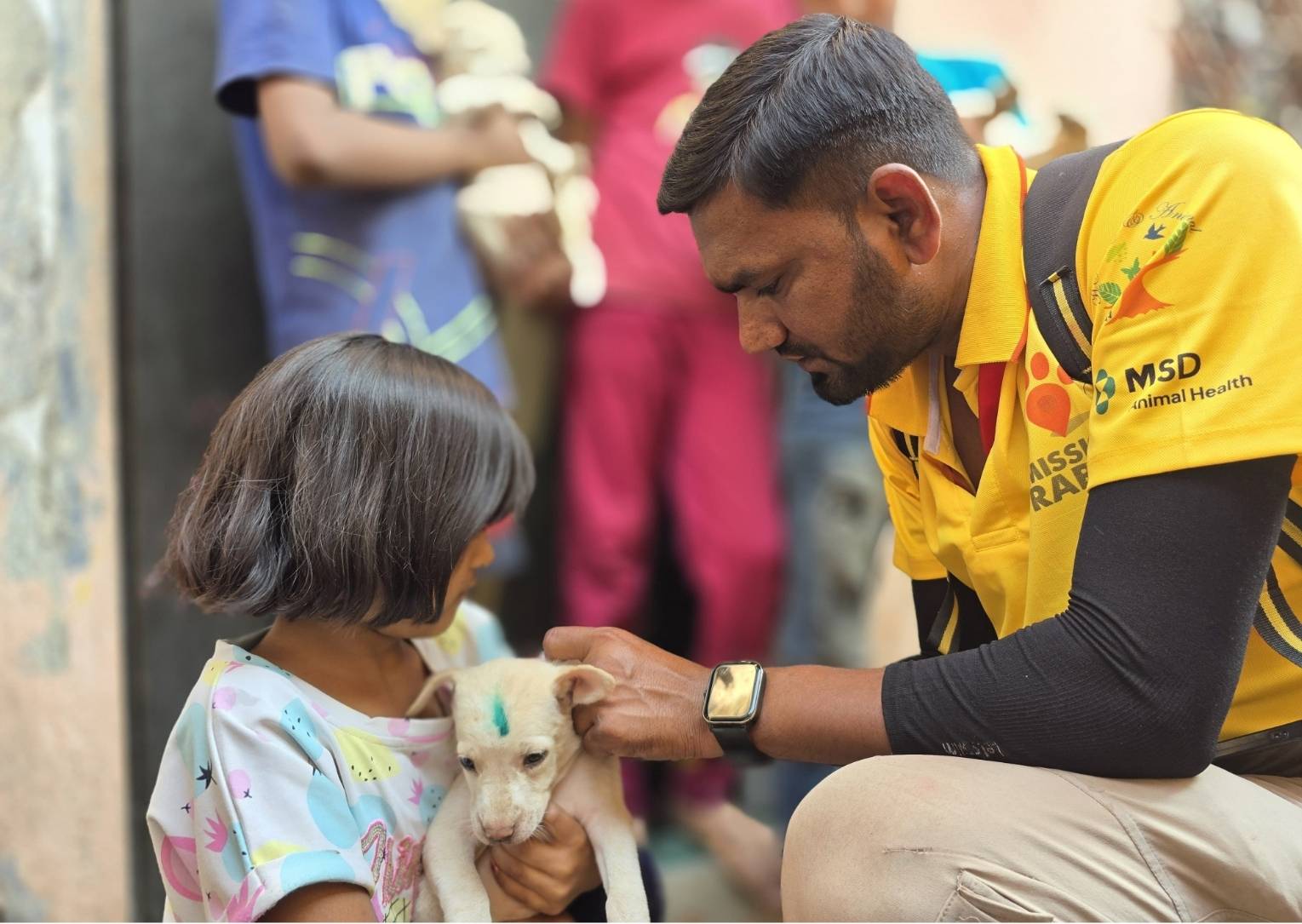
Children are more likely approach, touch or play with animals and may not recognise the warning signs that an animal is frightened. They may also be less likely to tell an adult if they have been bitten or scratched. It's important to supervise children and ensure they stay away from animals abroad and to not pet, feed or tease them.
Act quickly after an animal exposure
It can only take a moment to get bitten or scratched by an animal. In a country with rabies, it's not just a minor injury – it's a potential medical emergency. It's vital to start first-aid immediately after a potential exposure by washing the wound with running water and soap for 15 minutes. If possible, disinfect the wound with antiseptic like iodine/betadine and do not cover the wound. This is a crucial first step in preventing rabies, which can significantly reduce the risk of infection.
Don't delay seeking treatment
Even if you think an animal scratch or bite is only minor, it's vital to seek immediate medical attention at a health centre or hospital. Receiving post-exposure vaccinations after a potential exposure is crucial, even if you are already vaccinated against rabies – it could be the difference between life and death. It's important to not wait until you have returned home but to act quickly in this situation. Further information on rabies vaccinations is available from the World Health Organization (WHO).
Discover more about staying safe
Explore the rest of our travel guidance and sign up to receive our free rabies travel leaflet. Help spread awareness by sharing our travel advice with your friends and family and make sure they are aware of the dangers and how to protect themselves.
Mission Rabies: At the forefront of rabies control
Vaccinate dogs and you stop the disease before it reaches people. No need for cruel, inhumane culls, or for people and dogs to live in conflict. Educate people on rabies prevention and you can empower them with the knowledge to protect themselves from rabies. Since 2013, we have vaccinated over 7 million dogs and rabies educated over 13 million children. Our mission is simple – stop people and dogs dying from a preventable disease.
Mission Rabies is a flagship project of Worldwide Veterinary Service (WVS), which was founded on a simple but powerful belief: that animals should never suffer because there is nobody to help them.