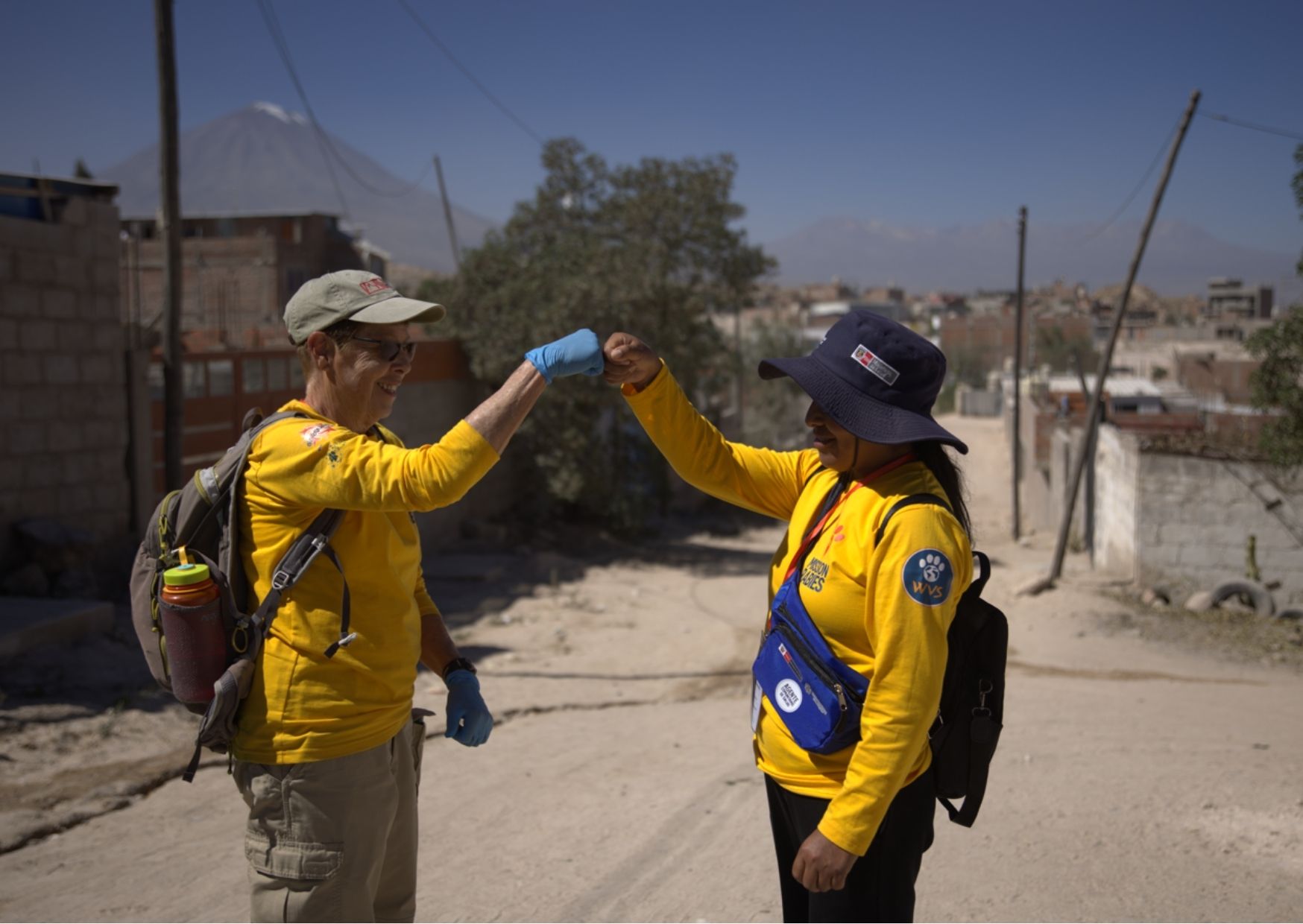
Expansion into South America: Protecting communities in Peru
"As I walked back from the restaurant through the quiet streets of Arequipa that night, I found myself thinking about how fortunate I am. Most visitors come here and see the beautiful Plaza de Armas, the churches, the restaurants, and the volcanoes. I got to see those things too.
But I also got to see the neighbourhoods on the outskirts of the city—the dusty roads, the unfinished buildings, the corrugated metal, the cactus, the bricks, the boulders, and the endless clouds of dust kicked up by passing cars. They're places no tourist would ever think to visit. Yet people have built lives there. They've raised families there. And almost every family has a dog. They love those dogs every bit as much as we love ours.
Being invited into those neighbourhoods is a privilege. Being able to help protect both those dogs and the people who love them is an honour. When I think about the early mornings, the sore knees, the aching back, the dust, the heat, and all those Advil tablets... I'd do it all again."
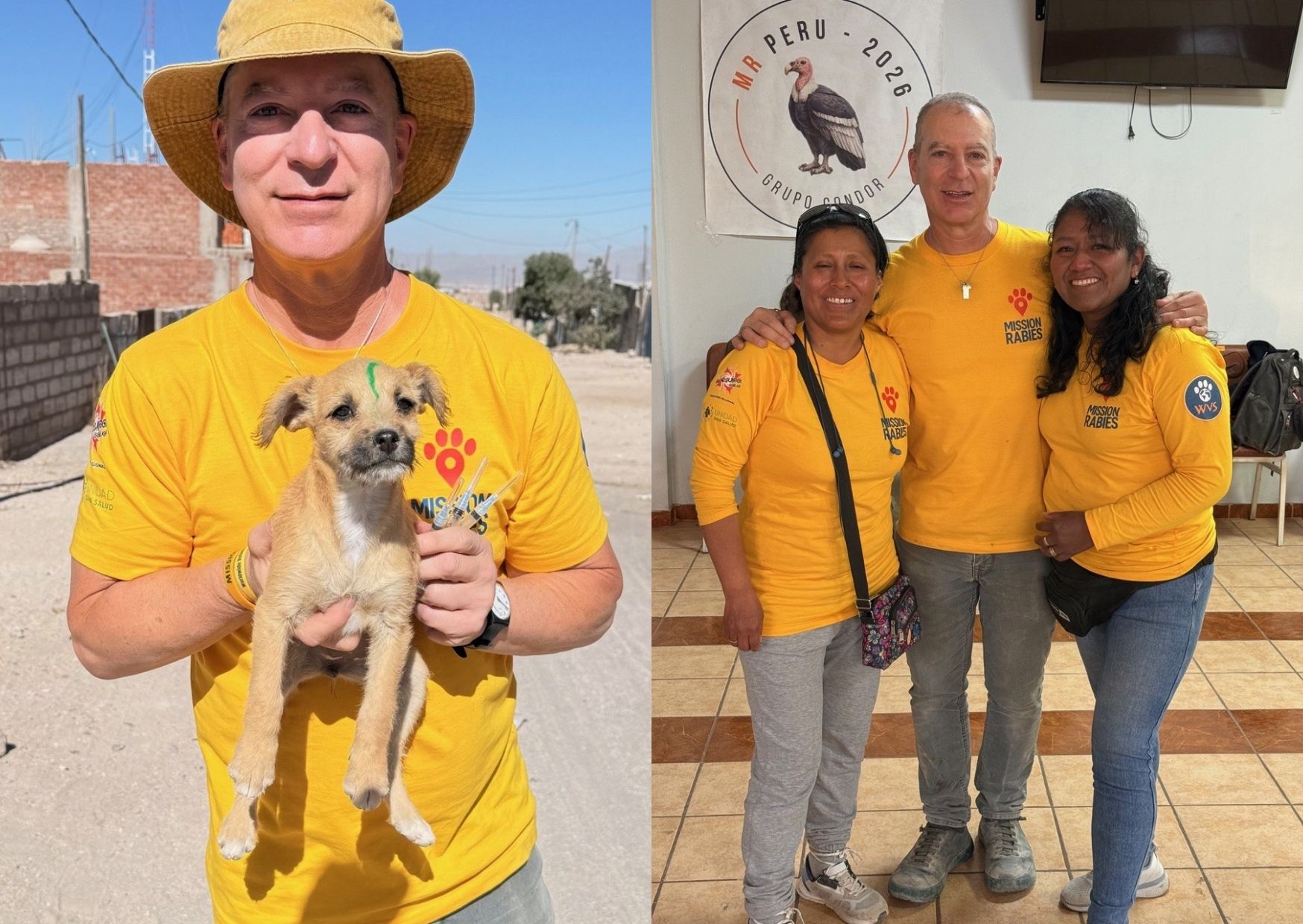
Arnold Plotnick, long-time support and volunteers, joined us in Peru for his sixth volunteering trip. Keep reading to discover more about this new project.
Why Peru?
Usually when people think of rabies they think about countries in Africa and Asia, which is where most of our work is focused. This is because South America has done a remarkable job at controlling rabies. Bolivia is currently the only country where rabies remains endemic, which has resulted in rabies cases resurfacing in the bordering nation of Peru. Arequipa has faced challenges with canine rabies and occasional human fatalities as a result, despite mass vaccination efforts.
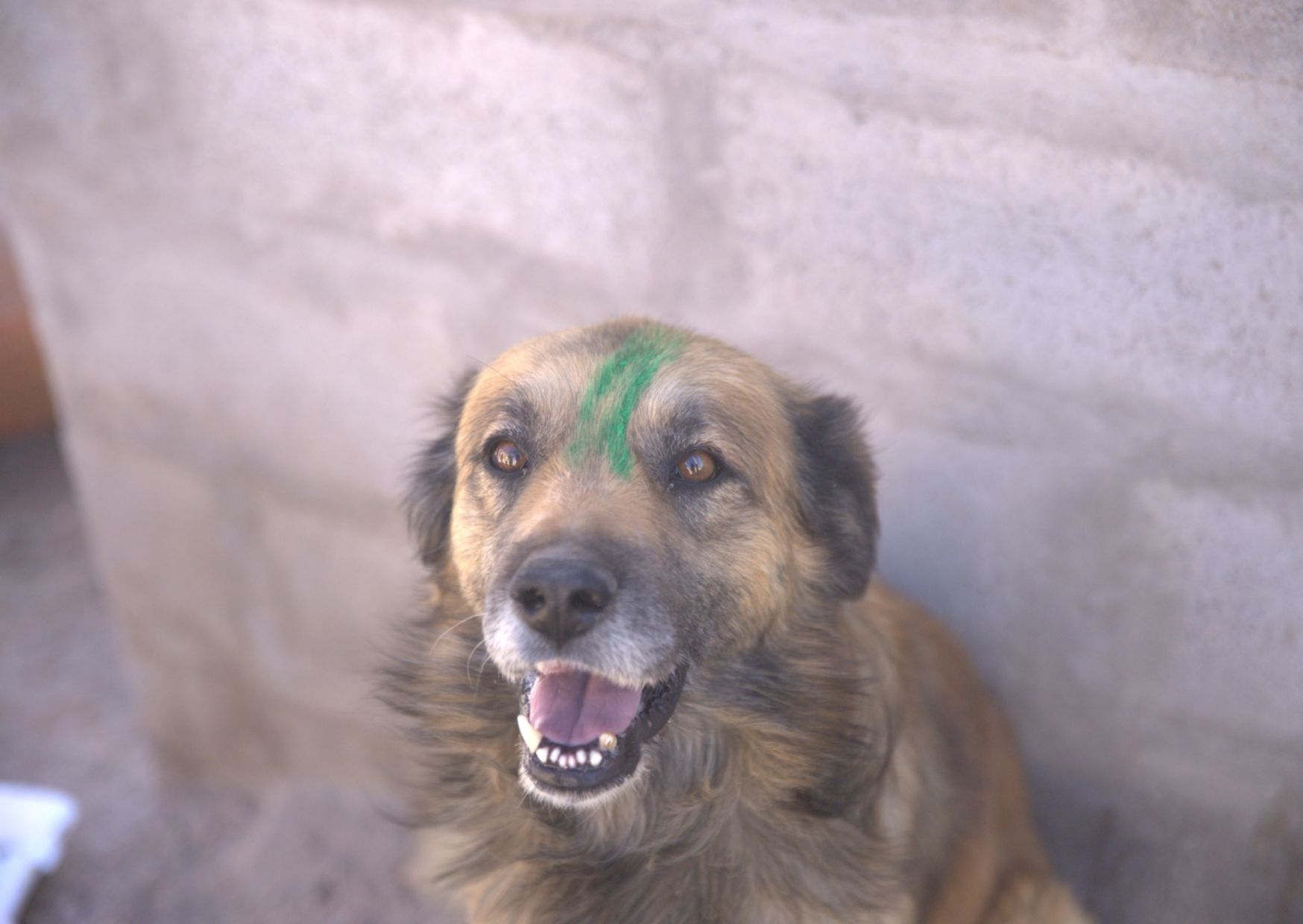
Supporting local partners: Pilot campaign
We became involved in this project because of local governments experiencing persistent challenges with their vaccination campaigns. We began supporting the city's mass vaccination programme in 2025 with planning and operations. The first phase focused on providing technical and logistical support while working towards a long-term, unified rabies control strategy.
The WVS Data Collection App was introduced to key partners and local government to support with data collection and vaccination area allocation. This was then put into practice in June, with a pilot project in Arequipa with local team using the WVS App, vaccinating 10,976 dogs. The App was then adopted across the city's health micro networks for future campaigns.
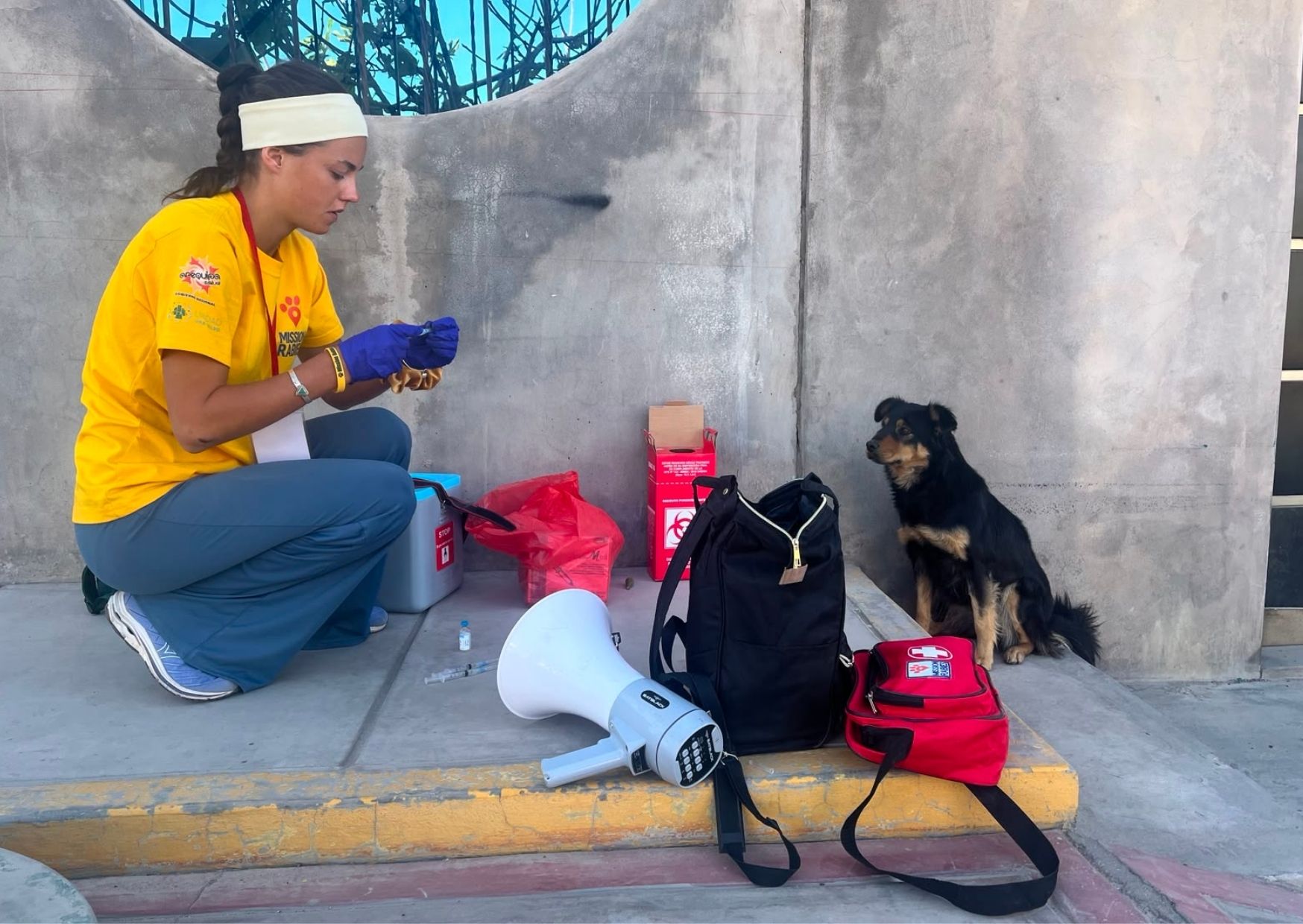
Building safer communities: 2026 vaccination campaign
Following on from the success of this pilot campaign, we continued to provide technical support and tested an intensified vaccination campaign in Zamacola, one of Arequipa's highest-risk areas. This was organised to test our operational strategy in-country, including a concentrated vaccination mode with fewer campaign days, hybrid static and door-to-door vaccination, the inclusion of international volunteers, net catching and the implementation of our new app, VaxApp.
In July 2026, this campaign was completed in Zamacola Municipal District, with international volunteers joining local teams for five days of the vaccination drive. Using a combination of door-to-door and static point clinics a total of 21,056 dogs were vaccinated against rabies. This is the highest vaccination campaign recorded in Arequipa – which was possible by combining our technology and vaccination strategies with the expertise and commitment of local teams.
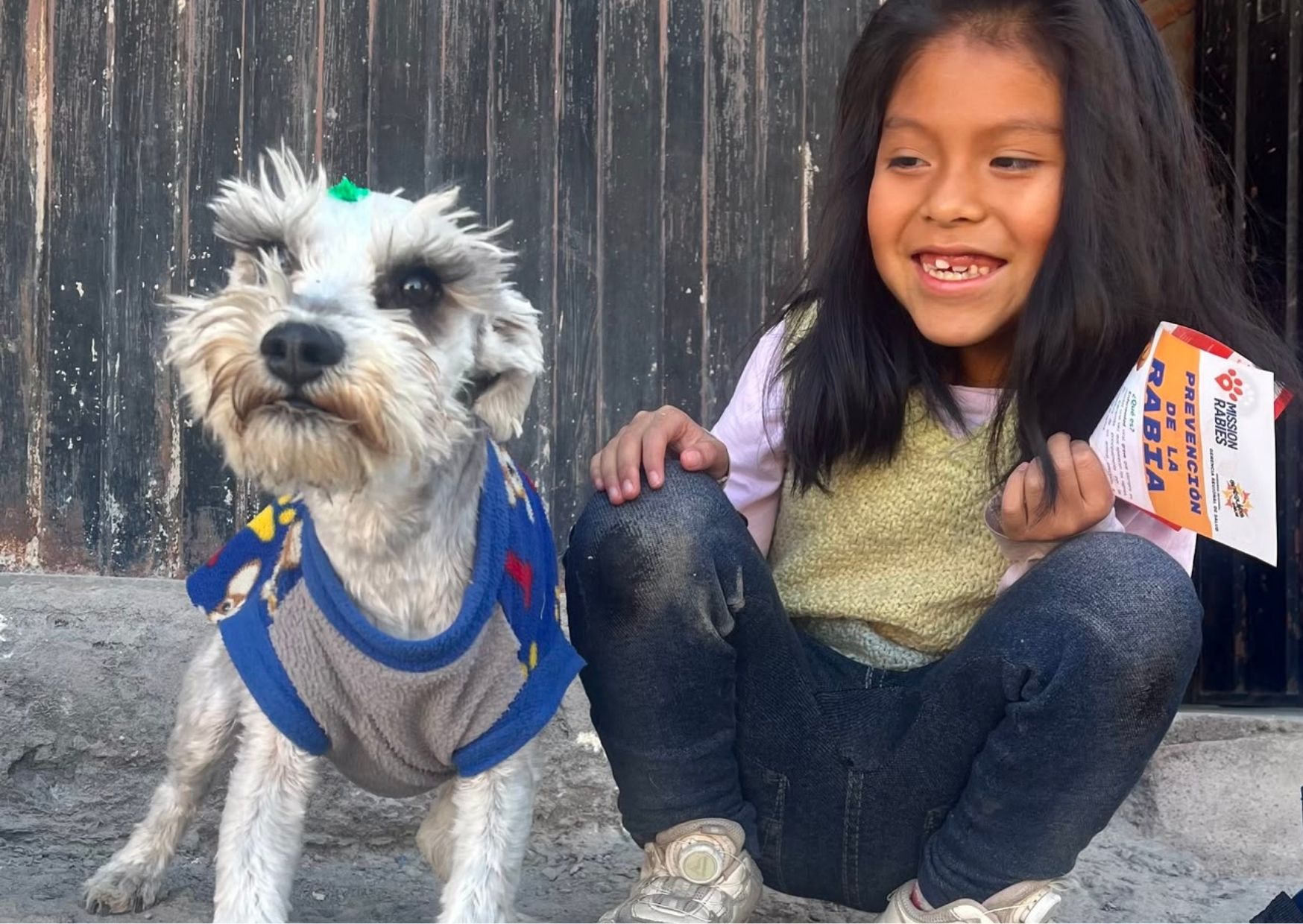
This project highlighted the success of our new app, how weekday vaccinations were effective alongside traditional weekend model, and how a hybrid vaccination strategy of including door-to-door maximised the number of dogs reached.
VaxApp
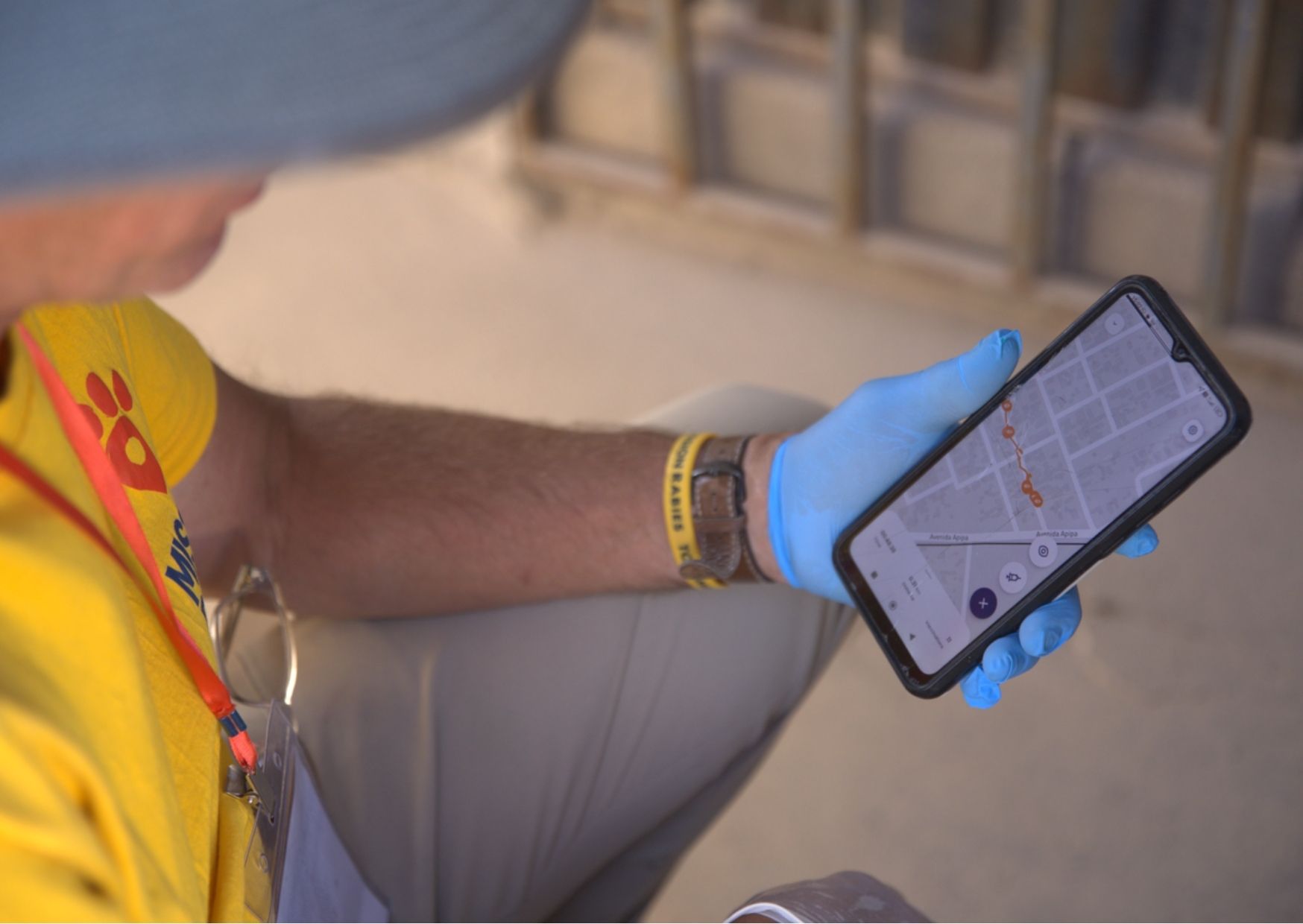
Our field team collected real-time data using the WVS App, ensuring that our programme was continually shaped by insight from the ground. VaxApp was rolled out during this campaign, which has been developed to increase the efficient of our projects. One feature that was highlighted by our teams was the ability to switch languages in the field, which made it easier and more efficient for data collection.
The people who made it happen
This was a huge collaborative effort with local health workers coming together to form teams with international volunteers.
Arnie explains more about volunteering on the Peru campaign:
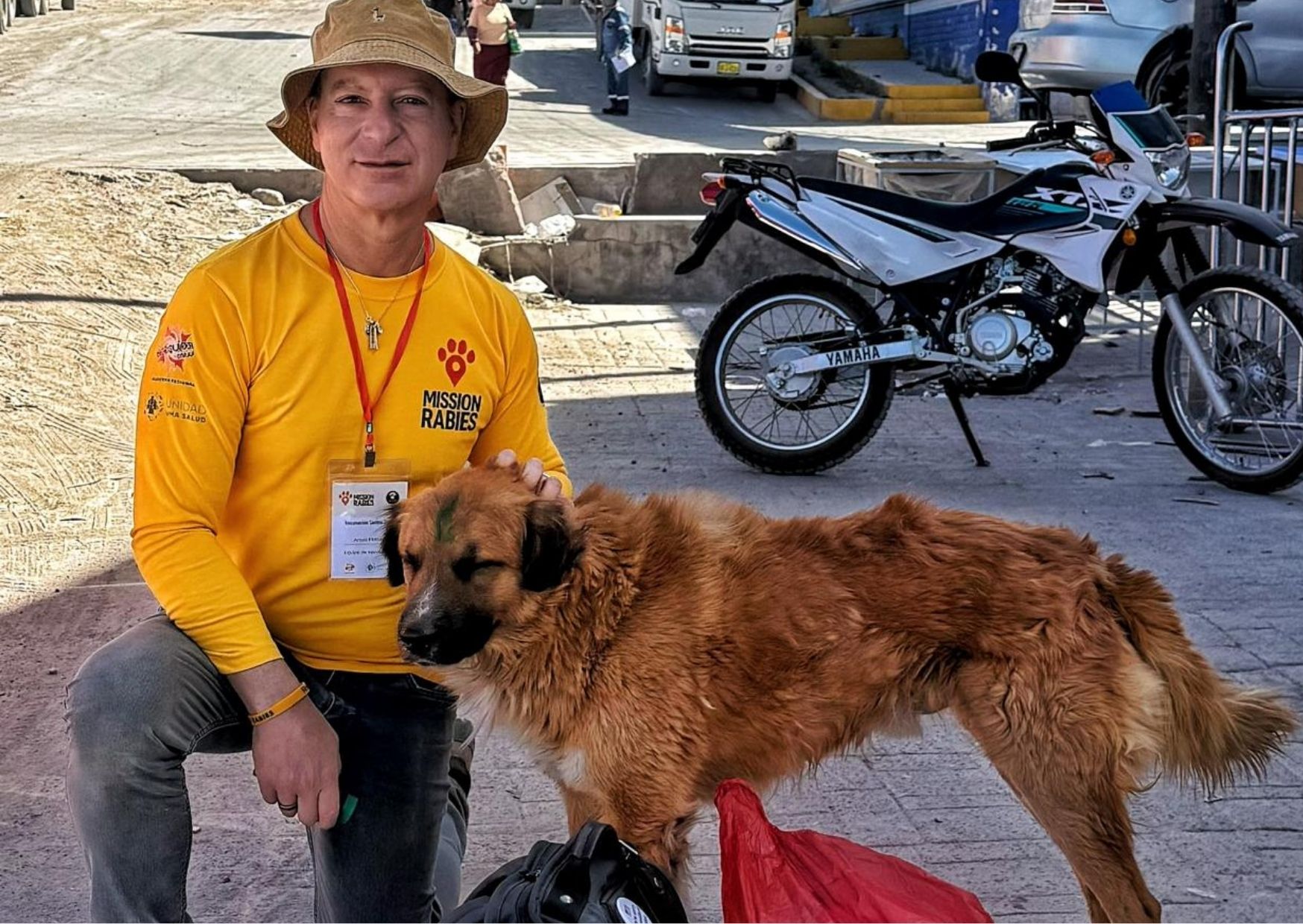
"Each team consists of exactly two people. That's it. My teammate is the 'registradora' responsible for entering every vaccination into Mission Rabies' brand new app. I'm the 'vacunador'. The guy with the syringe. The send-off from the Hub is my favourite part of the day. All the teams gather together, chatting while loading vaccines, coolers, and supplies before heading off to our assigned areas.
The first morning followed a familiar Mission Rabies pattern: chaos. Then silence. Then chaos. Then silence. Fifteen dogs would arrive almost simultaneously. Then nothing. Just as we'd decided it was finally time to pack up the static point and switch to door-to-door vaccinations, another owner would appear carrying two dogs. So, we'd stay. Then it would become quiet again. Then another dog would arrive.
Mission Rabies has taught me that dogs possess an uncanny ability to appear exactly as you've decided to leave."
Why this isn't the end
Across 2025 and 2026 we have supported with more than 120,000 vaccinations in Arequipa, representing an important milestone in the programme's development. This campaign allowed our teams and the local government to test different operational strategies, alongside protecting dogs and local communities.
This campaign helped protect thousands of animals and made it harder for the disease to spread but this is not the end. Rabies prevention takes years of sustained community engagement and vaccinations. We are committed to continuing to work with the local government and health agencies to vaccinate dogs and protect communities in Peru.
Get involved
We will be returning to Peru in 2027, and we need passionate volunteers to join us. Register your interest to be the first to hear when applications open, as well as our other volunteering opportunities.