
Signs of rabies in dogs
World Rabies Day takes place every year on the 28th of September to raise awareness and advocate for the global elimination of rabies. It is a common misconception that rabies has already been solved. Yet the reality is the disease still causes unimaginable pain and suffering for people and animals around the world.
For centuries humans have feared and mythologised rabies. It's one of the world's deadliest diseases. A disease so dangerous that once symptoms appear, it is already too late – rabies is fatal.
It can infect and kill any mammal and dogs are the number one source of rabies transmission to humans. But dogs aren't the problem – with the right prevention and care, they can be part of the solution. This World Rabies Day, we're sharing essential information about the signs of rabies in dogs. Whether you're a pet owner or someone who may come across a stray or free-roaming dog, knowing what to look out for can help you respond safely and play your part in keeping communities safe.

How rabies transmits
The rabies virus transmits in animals through saliva, usually through bites from another animal, but it can also be from any contact of infected saliva with broken skin. When the virus enters the dog it moves towards the brain, this is called the incubation period, which could be days, weeks, or even months, and the virus remains mostly hidden during this process. Once it reaches the brain, it causes neurological dysfunction and changes in behaviour. Most human exposures start with the same source – the virus circulating amongst dogs who live side by side with people.
Rabies symptoms in dogs
The less obvious signs of rabies are far more common than people realise. In the early stages, a rabid dog, can look surprisingly normal and alert.
There are two forms of rabies: furious and paralytic. The furious form is the stereotypical view of rabies and is characterised by hyperactivity. The paralytic form is the most common and is characterised by weakness and paralysis. The World Health Organization (WHO) states that the clinical signs of rabies including any of the following signs in the acronym 'ALPHA':
Aggression: Abnormal or unprovoked aggression is a common sign, including a dog that has bitten multiple people in a short space of time.
Lethargy: Rabies can also present in the paralytic form, where dogs are subdued and withdrawn.
Paralysis: Dogs can appear wobbly, or unsteady on their feet, and eventually they will be unable to get up.
Hypersalivation: The virus may paralyse muscles of the throat causing saliva to drawl from the mouth.
Abnormal vocalisation: Paralysis of the throat can also affect the sound of the dog’s bark making them sound raspy or strained.
Suspected rabid dog
What to do if you spot any of the signs of rabies in a dog:
Don’t approach, handle or try to examine the animal.
If you can, keep people and other animals away.
If you live in one of our project areas, call our rabies helpline (numbers below). If not, contact a veterinarian or the local animal authority.
If someone is scratched or bitten by a dog, make sure first-aid is completed and a hospital is visited for urgent medical attention.
Read our advice on staying safe around dogs and what to do after a potential rabies exposure.
We have surveillance teams around the world, where anyone can report suspicious dogs and receive human health advice about rabies:
India, Goa +91 77440 29586
India, Bangalore +91 6364 893 322
Inda, Darjeeling +91 9907 330489
India, Guwahati +91 9706 049585
India, Kochi +91 9961 409527
India, Coimbatore +91 98437 89491
Cambodia, Phnom Penh +85 5108 04176
Malawi, Blantyre, Chiradzulu, Zomba and Thyolo 3434

Myth-busting canine rabies symptoms
Myth: A rabid dog will always show signs of aggression.
Fact: There are different forms of rabies, and the disease presents differently depending on the dog. As Director of WVS South America, Dr Ben Howitt, explains:
"A common misconception is that a dog with rabies will always present as aggressive, foaming at the mouth, or behaving violently. In reality, rabies can present in different ways. While some dogs may develop the more recognisable signs of agitation and aggression, others may become unusually quiet or withdrawn, develop weakness or paralysis, or show other neurological signs such as tremors or ataxia (wobbliness).
The absence of aggression therefore does not rule out rabies. Any unexplained neurological signs or significant changes in behaviour in a dog in a rabies-risk area should be taken seriously."
Myth: A vaccinated dog can never get rabies.
Fact: Vaccinating a dog against rabies is crucial to help stop the spread of the disease, alongside keeping pets’ rabies vaccines up to date, but no vaccine provides absolute guarantee. There is a much lower risk but if bitten by a vaccinated dog, it's still important to wash the wound and seek medical advice in a rabies endemic area.
Myth: If symptoms show, a dog can be treated for rabies.
Fact: Once a dog shows signs of rabies, there are no effective veterinary treatments known, the disease is fatal. As WVS Senior Project Lead for South East Asia and vet, Dr Amy Lewis, explains:
"Heartbreakingly, once a dog starts showing signs of rabies, there is no treatment. To protect other animals and humans, the dog needs to be placed in quarantine for further observation, and an investigation needs to take place to identify any animals or humans it may have exposed to the virus."
Myth: It’s obvious if a dog has rabies.
Fact: During the incubation period it may not be clear a dog has rabies and the signs can be subtle. Even if a dog doesn’t appear physically sick, they could still carry rabies. It's important to complete first-aid and visit a hospital for post-exposure rabies vaccine after any dog bite or scratch.
Stopping rabies at the source
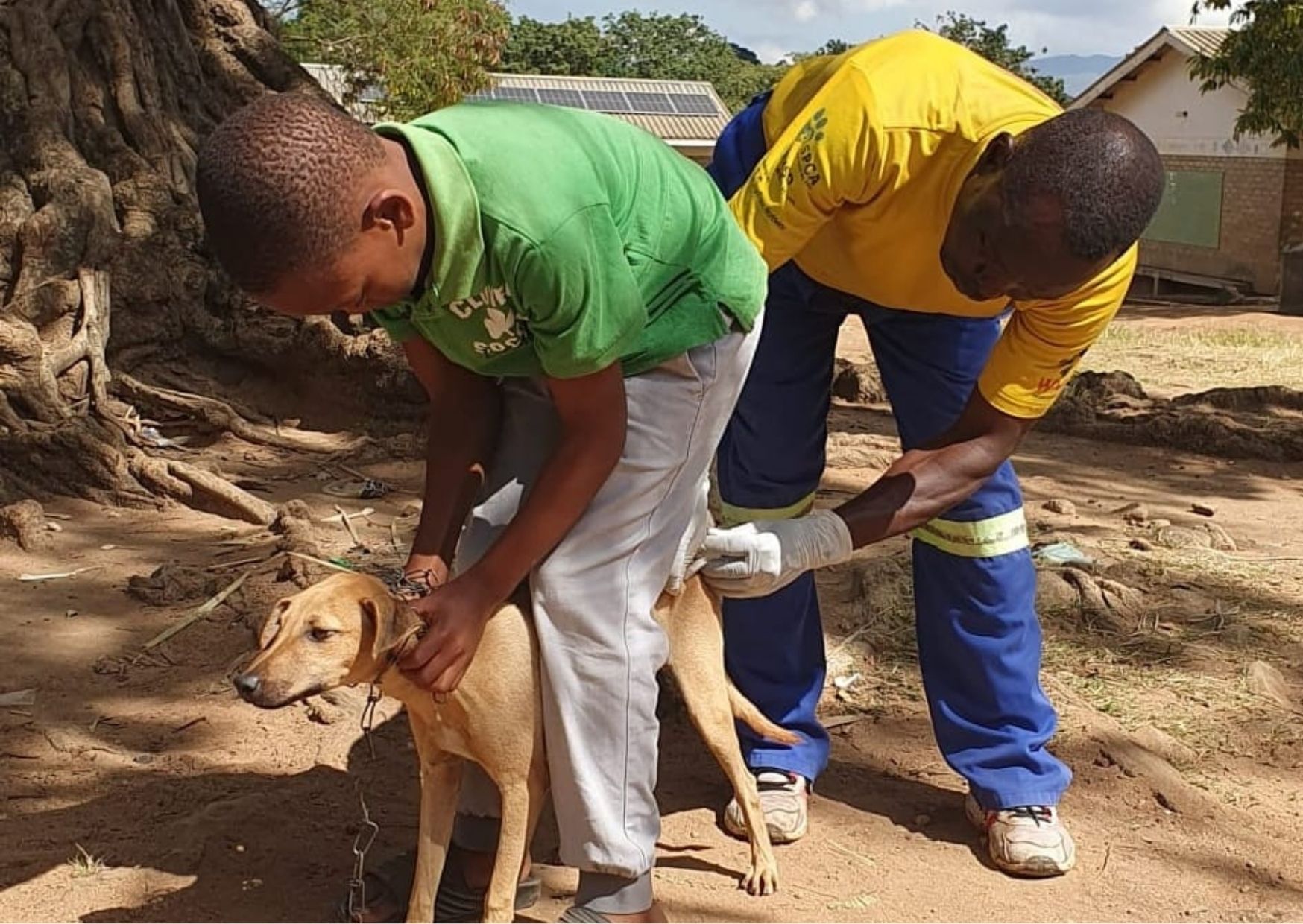
There is no treatment to save a person or dog after they start showing signs of rabies, which is why prevention is crucial in the fight against rabies. If we are going to stop dogs and people dying from this preventable disease, then we need to focus on the source: canine rabies. Through mass dog vaccination we can end rabies. By maintaining a 70% vaccination coverage we can achieve herd immunity, stop rabies spreading, and save lives.
Get involved this World Rabies Day
Donate today and help stop dogs and communities suffering from this cruel and horrific disease. Every year we get closer to ending rabies, will you help us reach this goal?