
Understanding dog behaviour: Compassion creates safer communities
Dogs are incredible animals and are part of communities around the world – whether that’s as pets or community dogs – which is why learning about dog behaviour is important. Understanding dog behaviour is recognising that they communicate with us every day. When we learn to read their signals and responses, we reduce fear, improve animal welfare and create a safer home for all.
Why dog behaviour matters
Just like humans, dogs experience a range of emotions that influence their behaviour. For dogs their whole body is normally used to communicate their needs, intent and emotions – including their body language, facial expressions, movements, and vocalisations. By understanding their behaviour, we can make better decisions on how to interact with them:
Recognising when a dog needs space
Preventing bites and accidents
Avoiding escalating to fear and aggression
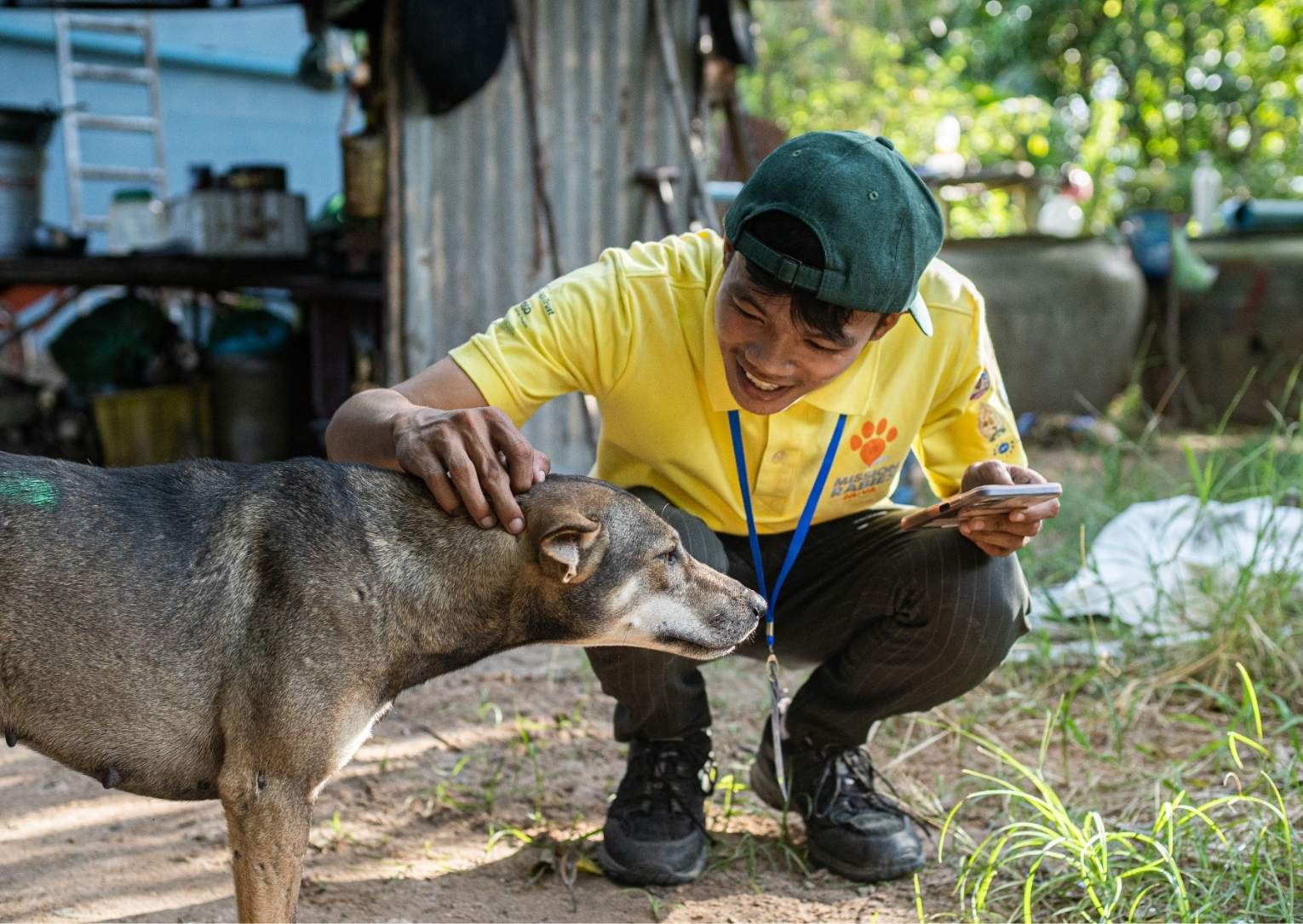
It’s also crucial to provide protection against rabies. In the places we work, dog bites are common – and 99% of all human rabies deaths worldwide are the result of an infected dog bite. Knowing the warning signs in dogs and how to avoid escalating a situation can help prevent bites.
Whether you want to understand more about your dog or how to stay safe around dogs in your community, keep reading to discover more about dog behaviour.
Recognising anxiety and fear
There are common behavioural signs from dogs that they are feeling anxious or scared, which are important to know to avoid making dogs feel more afraid and to protect your own safety. Anxious and fearful dogs may be more likely to behave aggressively if they feel threatened. If a dog is showing signs of fear, you should be cautious interacting with them. Some of the common behaviour signals:
Lowering the head
Flattening the ears
Yawning
Lip licking
Tension in the head, face or neck
Showing whites of the eyes
Leaning away
Panting (not due to being hot)
Pacing
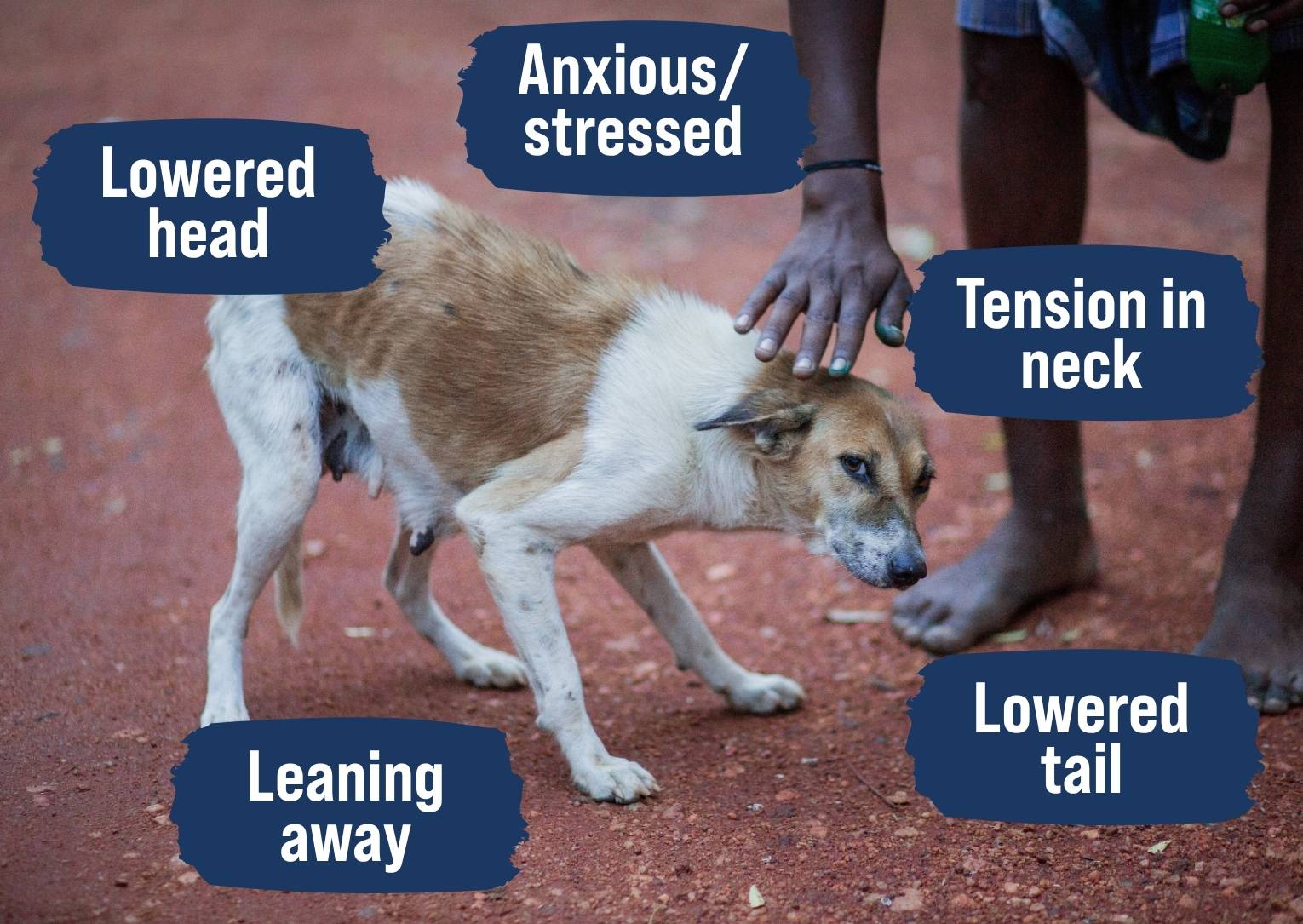
Make sure dogs have options to move away from a situation if they feel fearful or anxious. To make them feel more comfortable it's vital to stay calm, move slowly and let the dog approach you rather than approaching them. It’s also crucial to not punish a dog for unwanted behaviour – this can compromise the welfare of the dog and is very likely to make the situation worse.
Recognising a relaxed dog
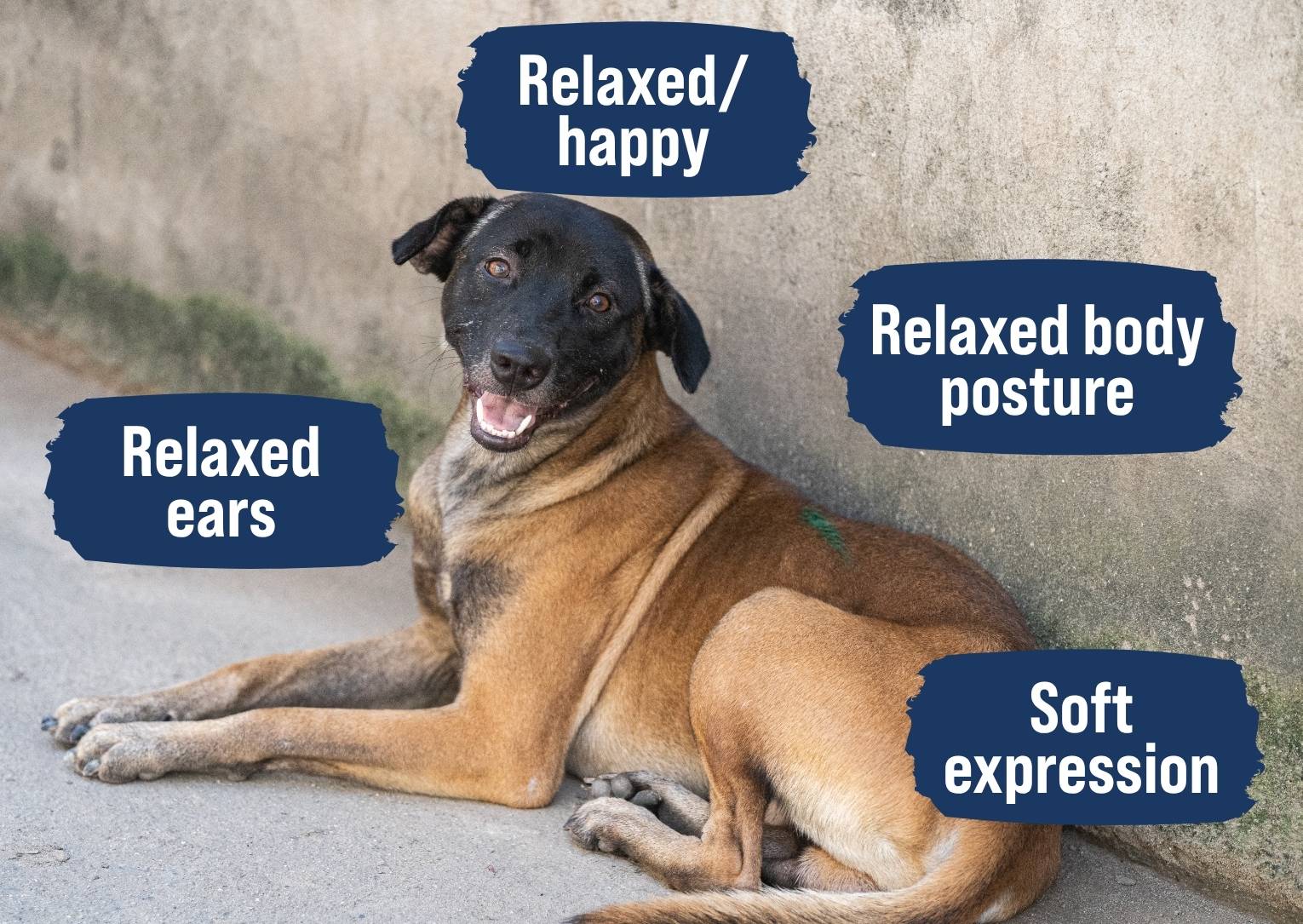
Instead, a more relaxed and happier dog shows signs that include:
Wagging tail
Relaxed body posture
Relaxed ears
Soft expression
Warning signs (risk of aggressive behaviour)
Dogs are social animals who prefer to avoid conflict when they can. Most dogs will initially aim to create distance through warning signs before escalating to physical harm. Aggressive behaviour is a normal part of dog communication, and all dogs are capable of this in certain situations. This doesn’t mean the dog is ‘bad’ or will always act aggressively. Most aggression is a way of communicating that the dog feels threatened, afraid, stressed or in pain.
Common warning signs include:
Growling
Barking (not playfully)
Tense face and neck
Stiff body
Baring teeth
Tail held straight and stiff
These behaviours mean “Stop. Give me space.” If a dog shows these signs, stop what you are doing and calmly create some distance between yourself and the dog or with what the dog is feeling threatened by.
Steps to stay safe around a growling dog
Some dogs may feel threatened, and exhibit behaviours intended to cause physical harm. Follow these steps to protect yourself from a growling dog:
If the dog is moving towards you, try to create distance by moving to higher ground or using a barrier to shield yourself
If the dog is close, stand still and stay quiet, ignoring the dog
If the dog knocks you to the ground, then curl up like a rock
If you are in an area with rabies, find out more about staying safe around dogs and the crucial first-aid steps to take after a dog bite to protect yourself from rabies.
How to approach a dog
There are ways you can use your own body language to appear non-threatening and help reassure the dog you are interacting with.
Maintain a safe distance while you review the dog’s reaction to your approach. If you are unsure, you should not approach any further
If you do approach, do so in a calm, quiet manner
Lower yourself to the dog’s level and approach from the side, not head-on
Avoid prolonged, direct eye contact
Talk in a friendly, calm voice
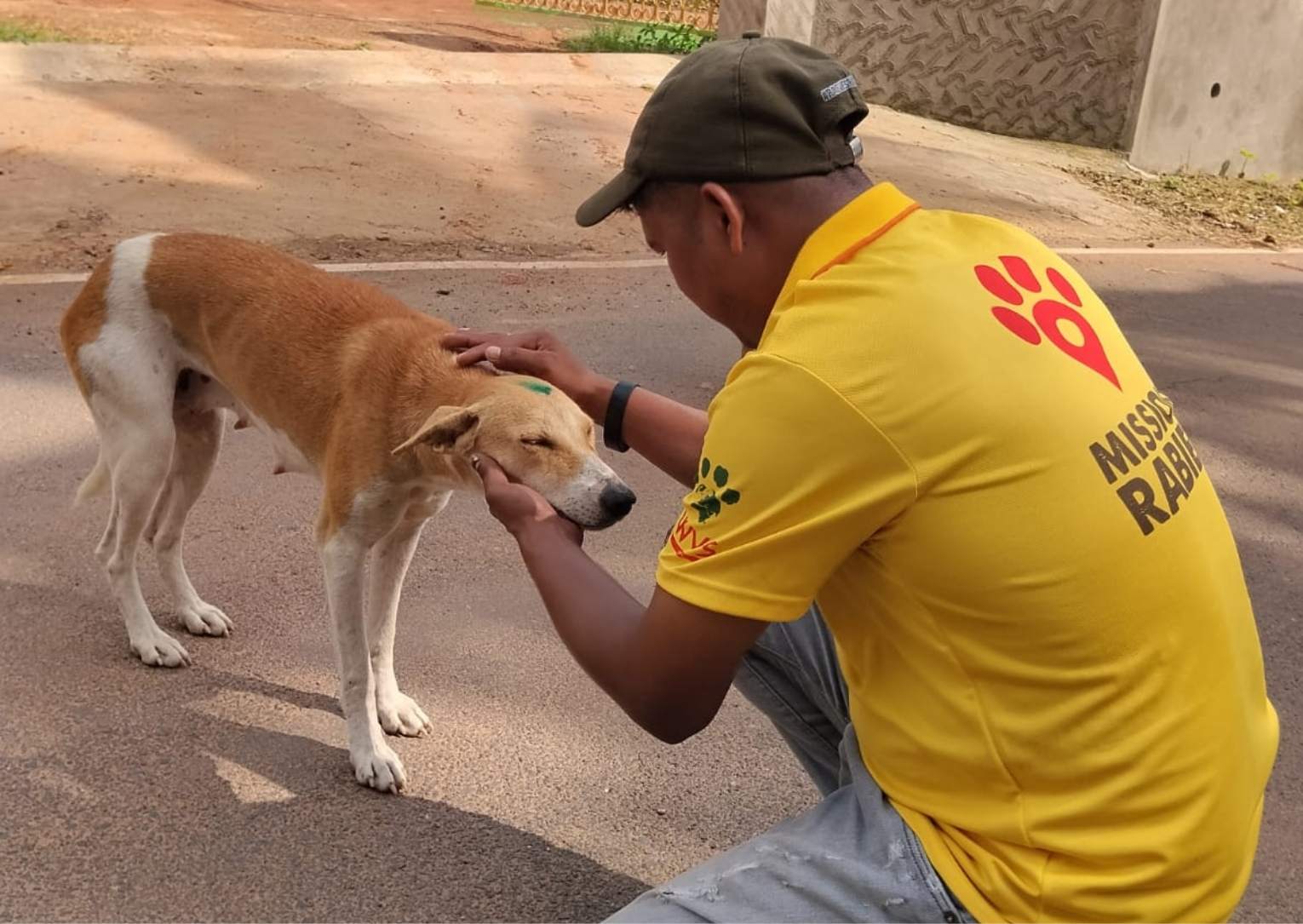
Offer the back of your hand for them to sniff, and touch the side of their head/neck/body if safe to do so
Never reach over a dog with your arm or lean over them with your body

It's vital to always put your own safety first, and don't be afraid to ask for help from a professional.
Mission Rabies: A better world for all
At Mission Rabies we are working to create a better and safer world for all through our global vaccination and education programmes. By spreading awareness on dog behaviour, bite prevention and rabies, we can ensure the safety of both dogs and people, while also building empathy, compassion and respect towards animals.
Rabies: A deadly threat
Rabies is one of the world's deadliest and oldest known disease - taking a life every 9 minutes. Discover more about the disease and how you can stay safe.
WVS Academy
Are you a veterinary professional? We have further guidance on animal behaviour and practical tips for animal handling on the WVS Academy.