
A One Health approach: Pilot vaccination campaign in Rwanda
As 95% of global rabies deaths occur in Africa and Asia, this is where we focus our efforts. We work in multiple countries across Africa, including Malawi, which is one of our flagship projects with a permanent in-country team.
In March 2026, we expanded our work in East Africa to support a pilot vaccination drive in Rwanda. Working alongside Welfare for Animals Guild (WAG) Rwanda and the Government of Rwanda, we completed a two-week vaccination campaign in the sectors of Kanombe, Masaka and Rusororo in Rwanda’s capital, Kigali.
Rabies remains a serious threat to both human and animal health in Rwanda. With two confirmed human deaths at the end of 2025, the need for urgent action to protect communities was clear. This pilot campaign marked the country’s first coordinated, large-scale vaccination of dogs - a significant milestone and an important step towards a rabies-free Rwanda.
Building safer communities, one vaccination at a time: 2026 pilot vaccination campaign
Pilot campaigns are small-scale trials before rolling out a large-scale vaccination campaign. They help us understand what vaccination methods work in each area; for example door-to-door or static point vaccination clinics. They also improve community awareness of rabies and build trust within communities. In addition, pilots generate local data on vaccination coverage and dog population size to inform future campaigns.
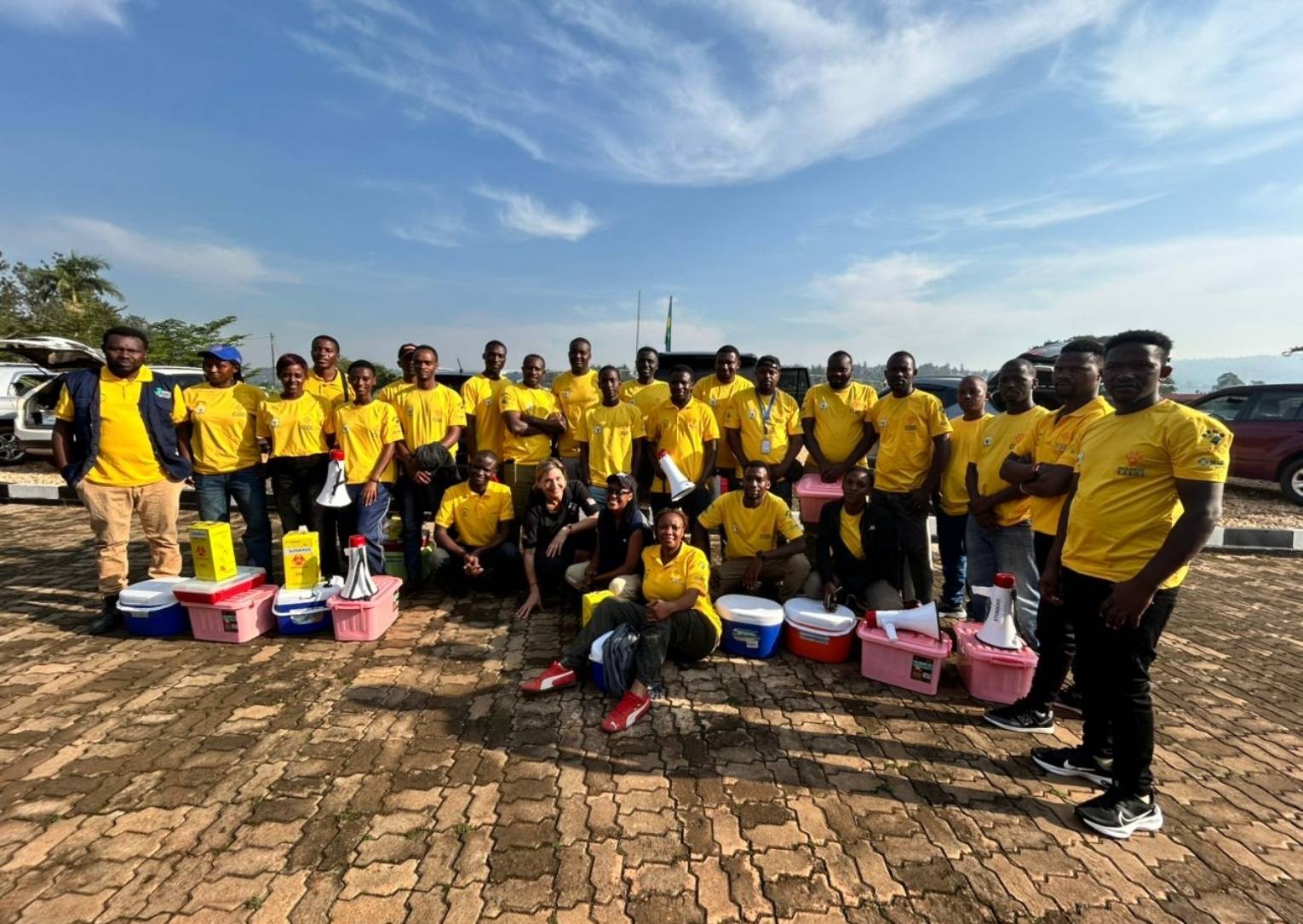
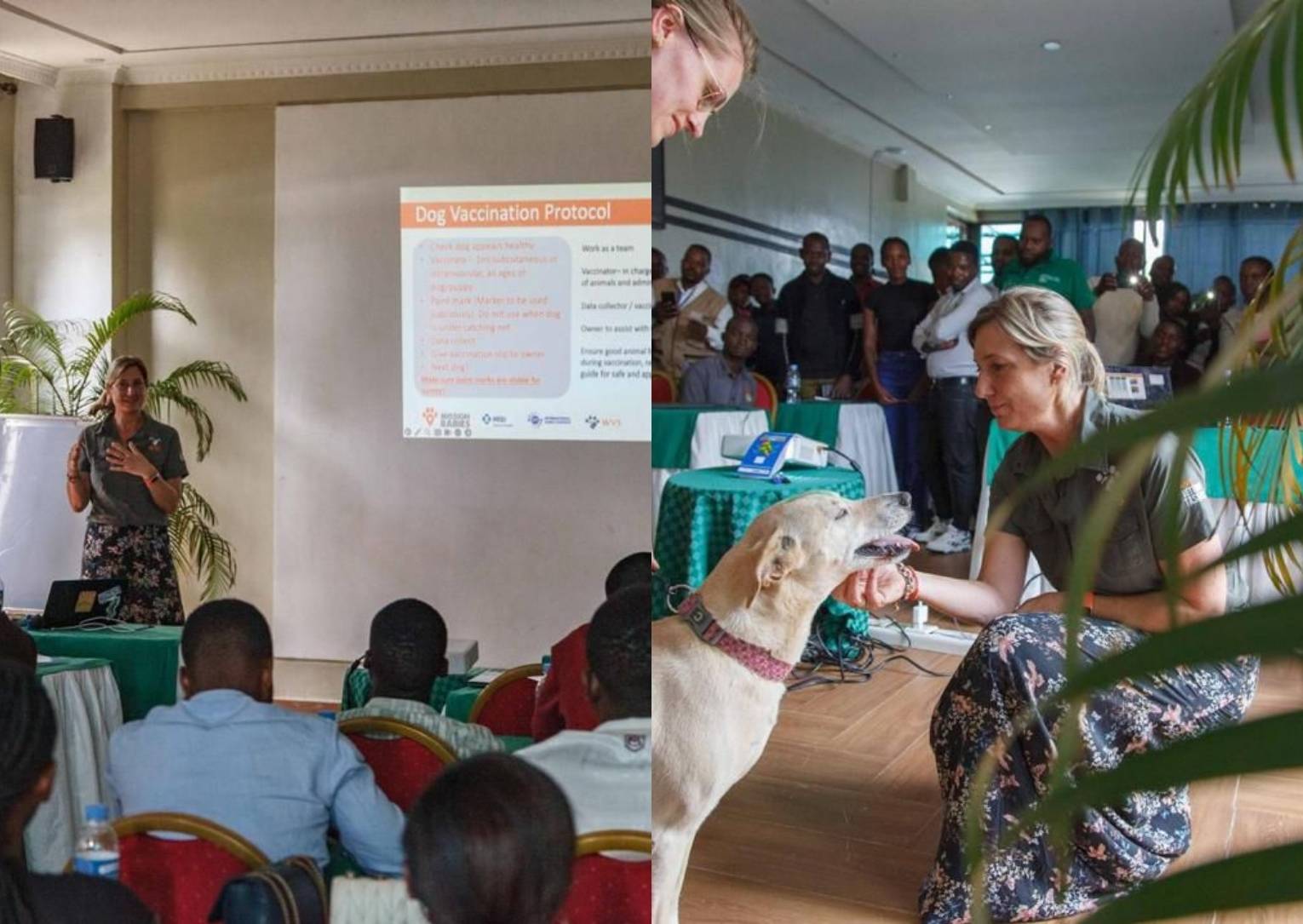
Our team travelled to Rwanda for this campaign, providing training, technical support, and resources. Our expert team delivered training to vaccination teams on animal handling, vaccination protocol, the WVS Data Collection App, and much more. It was a great opportunity to engage with the Government of Rwanda and WAG on the logistics of vaccination drives, including the different approaches and methods, how to train vaccination teams, and how to encourage community participation. By working with the Rwandan Government and WAG, this project built crucial local capacity, helping to ensure a more sustainable and cost-efficient rabies elimination programme.
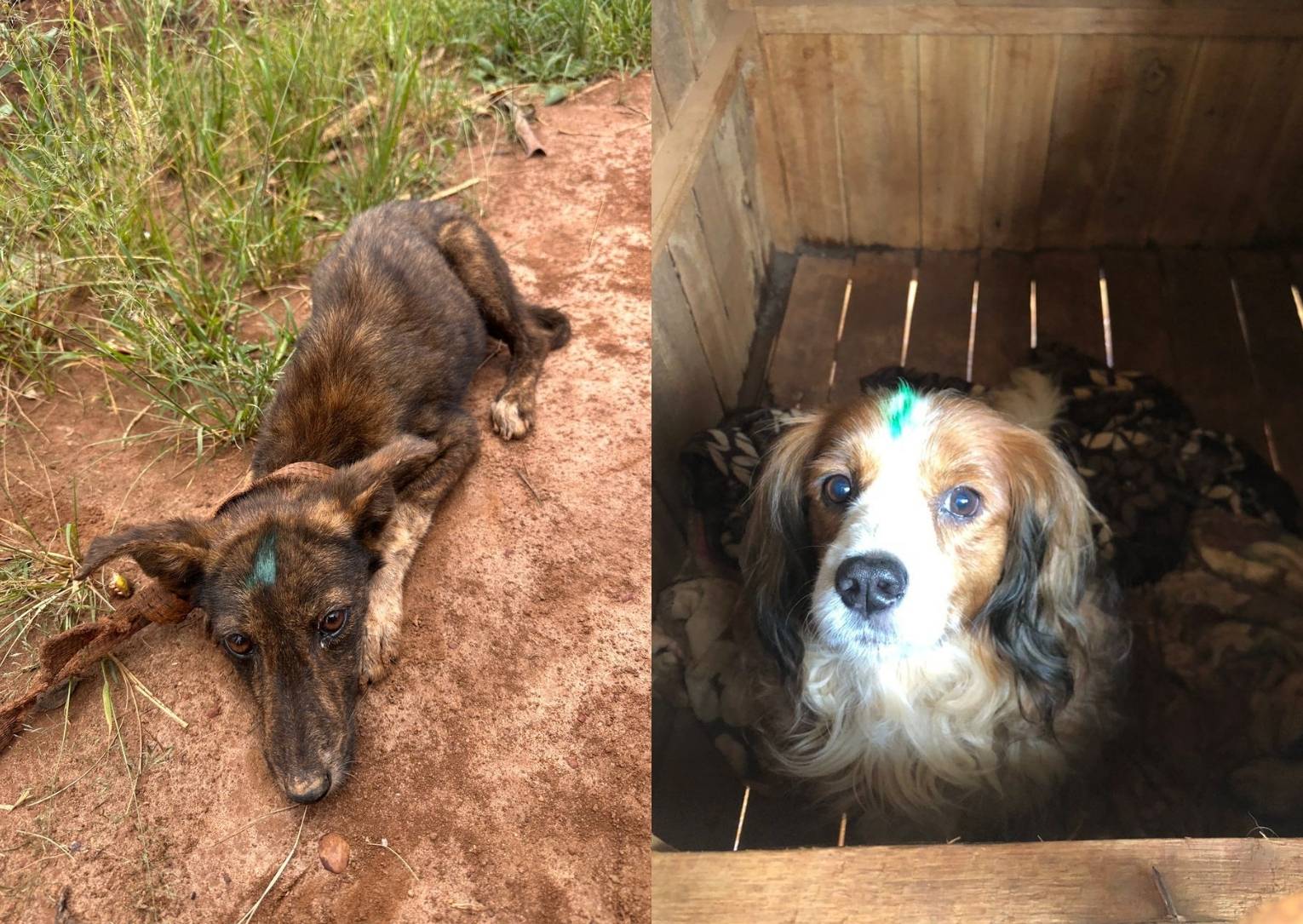
A combination of methods was used during the ten-day project, including door-to-door, static point clinics, and roaming. Each vaccination team comprised of a vaccinator, animal handler, data collector, and driver. Teams were assigned to a polygon, a pre-determined geographical area to cover each day, and used the WVS App to move systematically through the area. Every vaccination was logged, along with other important information on the dog population, including dog ownership, roaming status, and sterilisation to support with future intervention. In addition to vaccination, teams were able to help injured and sick animals by reporting them to WAG, with their veterinary team on standby to provide care. This included care for a dog with a severe injury caused by a chain around his neck, abandoned kittens, and TVT cases – animals whose lives are now safer and healthier due to accessing this much-needed veterinary support.
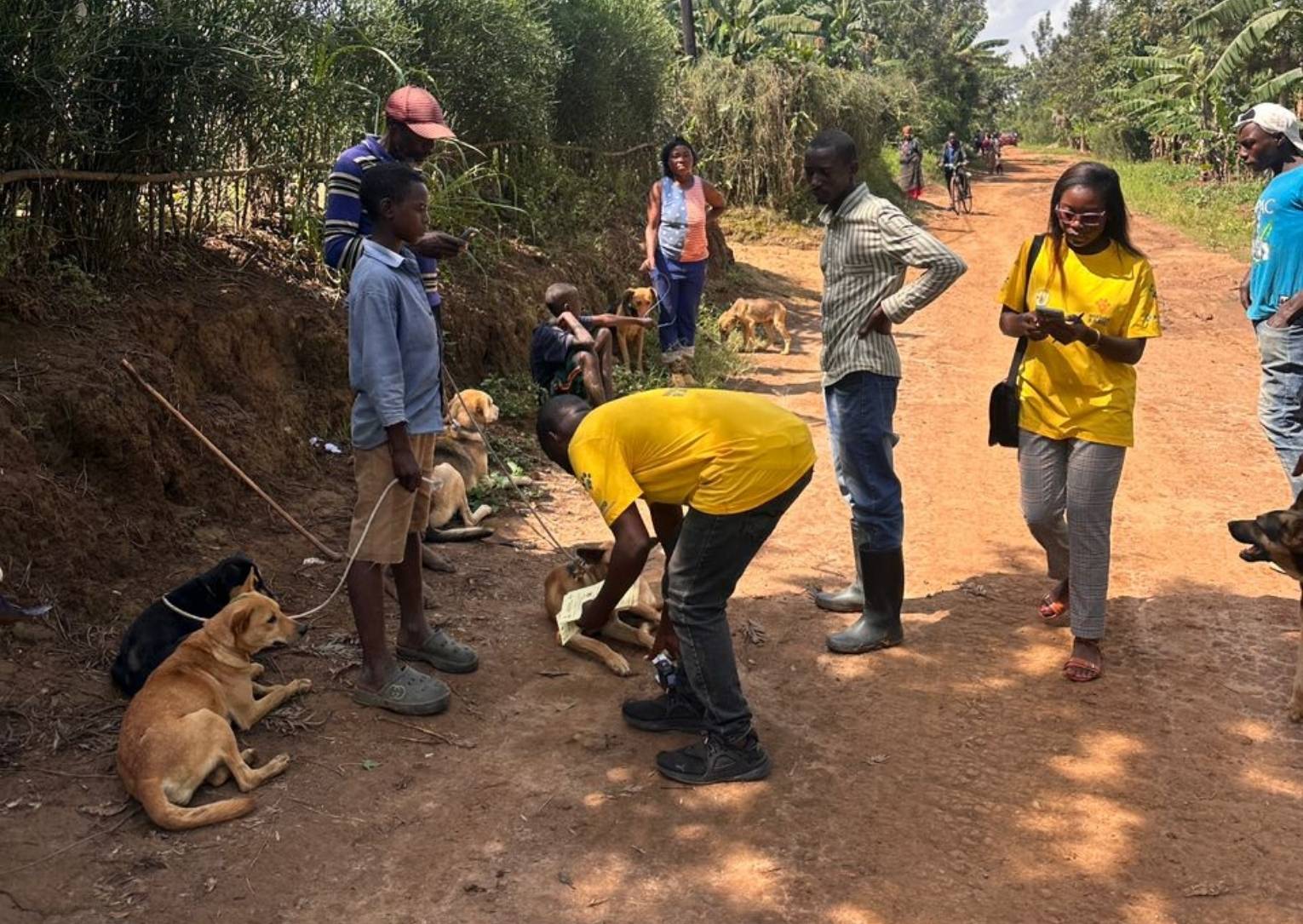
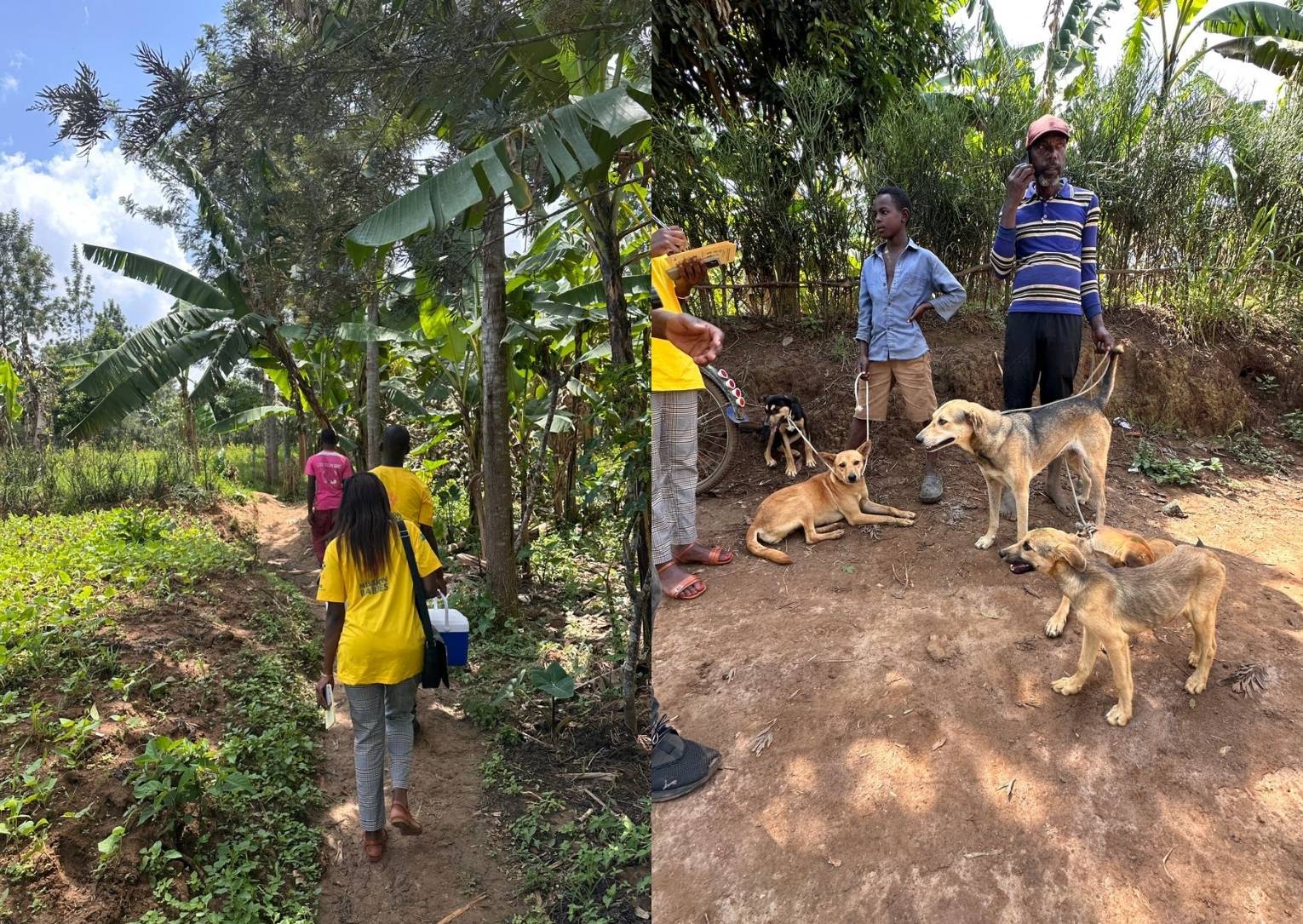
In total, 1,868 dogs were vaccinated during the pilot project, successfully achieving a 76.8% vaccination coverage.
This campaign has generated valuable data to inform future vaccination efforts across the country, and we look forward to continuing our work with project partners to build on this progress. This was a crucial first step towards making Rwanda a rabies free country, where no person or animal will suffer because of this cruel disease.
Stopping suffering at the source: Creating a safe and stable dog population
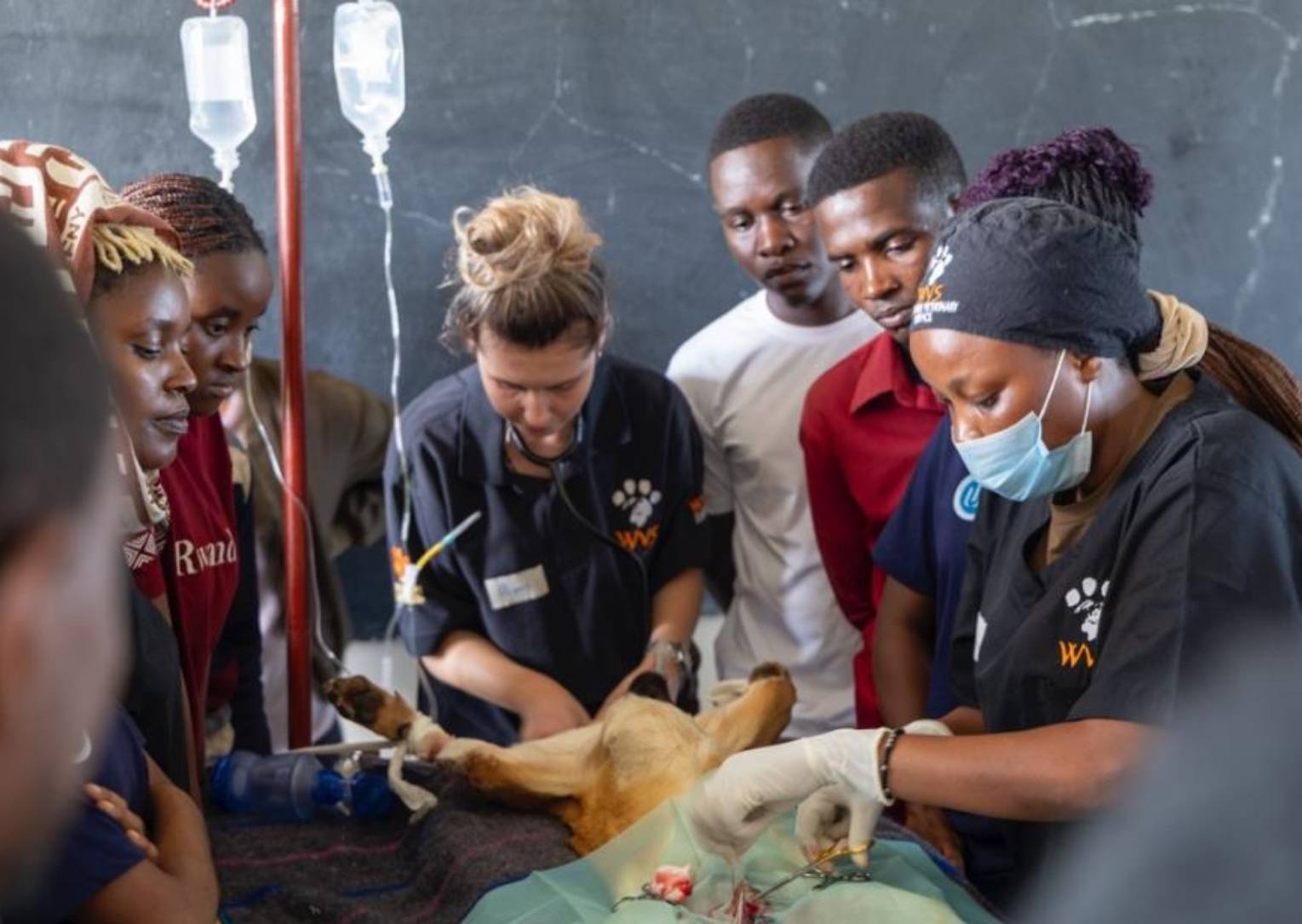
During this campaign it was discovered that sterilisation coverage was low, with only 9% of female dogs encountered sterilised. There was a high demand amongst owners for this service, which is a crucial procedure to reduce animal populations and the suffering that comes with overpopulation. In addition to our rabies work, the WVS Taskforce has been working in Rwanda to improve this situation. We have completed two training courses, in collaboration with WAG and the University of Rwanda, delivering hands-on surgical training and clinical skills workshops for veterinary students. This included a focus on dog population management and hands-on experience with sterilisation surgeries. Programmes like these are crucial to empower veterinary professionals with the skills they need to deliver high standards of care and engage them with dog population management programmes.
A special thanks to our project partners: Rwanda Agriculture and Animal Resources Development Board (RAB), Rwanda Biomedical Center (RBC), WAG Rwanda, and Kanombe, Masaka, and Rusororo Sectors.
Ending rabies starts here: Help us create a safer world for all
Our supporters are vital in our mission to end rabies. Subscribe to our newsletter to hear more updates on our work, see how your support is making a difference, and find out how you can get involved.